
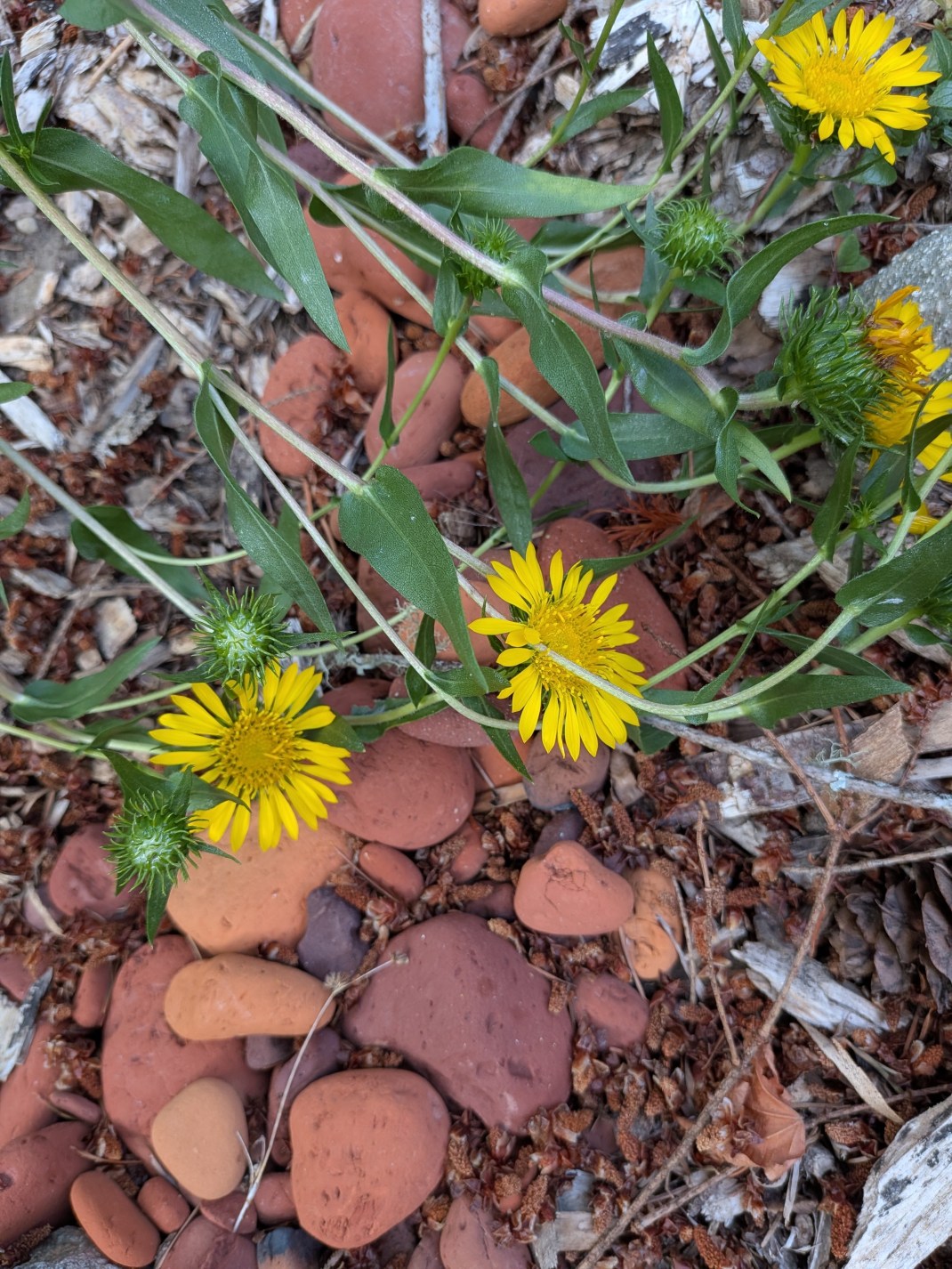
The main goal of this series is to write about the objects that end up in my pockets, the little bits we pick up impulsively (not objects we put energy into harvesting or collecting). A secondary purpose is to do it relatively succinctly because one of my challenges as a writer is that I am plodding. I mull things over and have a tendency to overexplain or get lost in the weeds. I think these random objects call to us because they are storied, they have abstract worth. We take so much for granted, even the bits of detritus we tuck away for later, even if later we have no plan for them other than to nestle in the little forgotten corners of our minds.
–
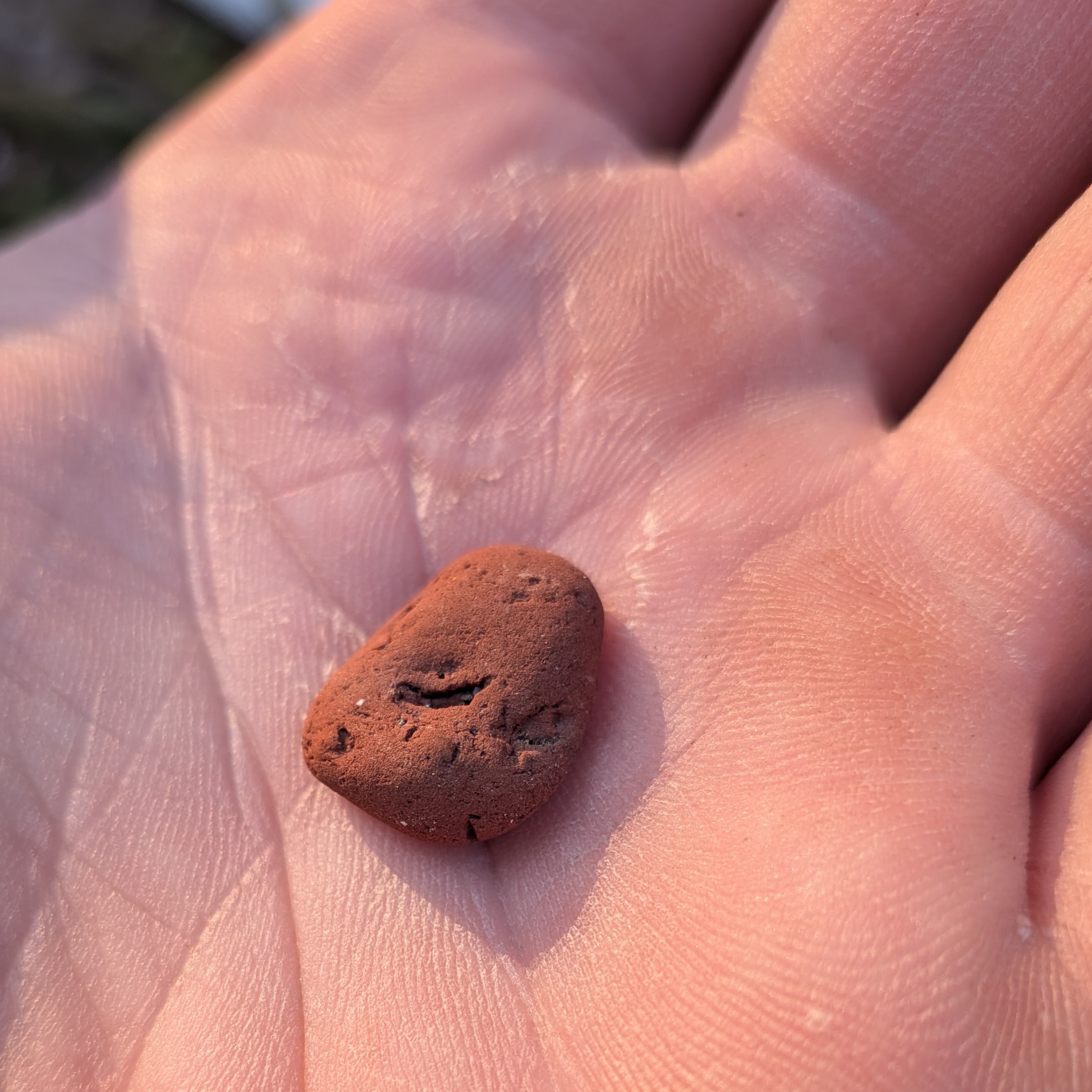
Lumped together sand, clay, lime, iron oxide, and magnesium. Under pressure and heat. Humans playing at the godly work of geologic processes. And just like gods who have lost interest in earthly things, left to slowly rot. Bricks were our perfected engineering, the building blocks paving the way for bigger, grander cities, but on the beach they are just elements eroding back, first into rocks and then into nothing. I pluck them up and bring them home from time to time.
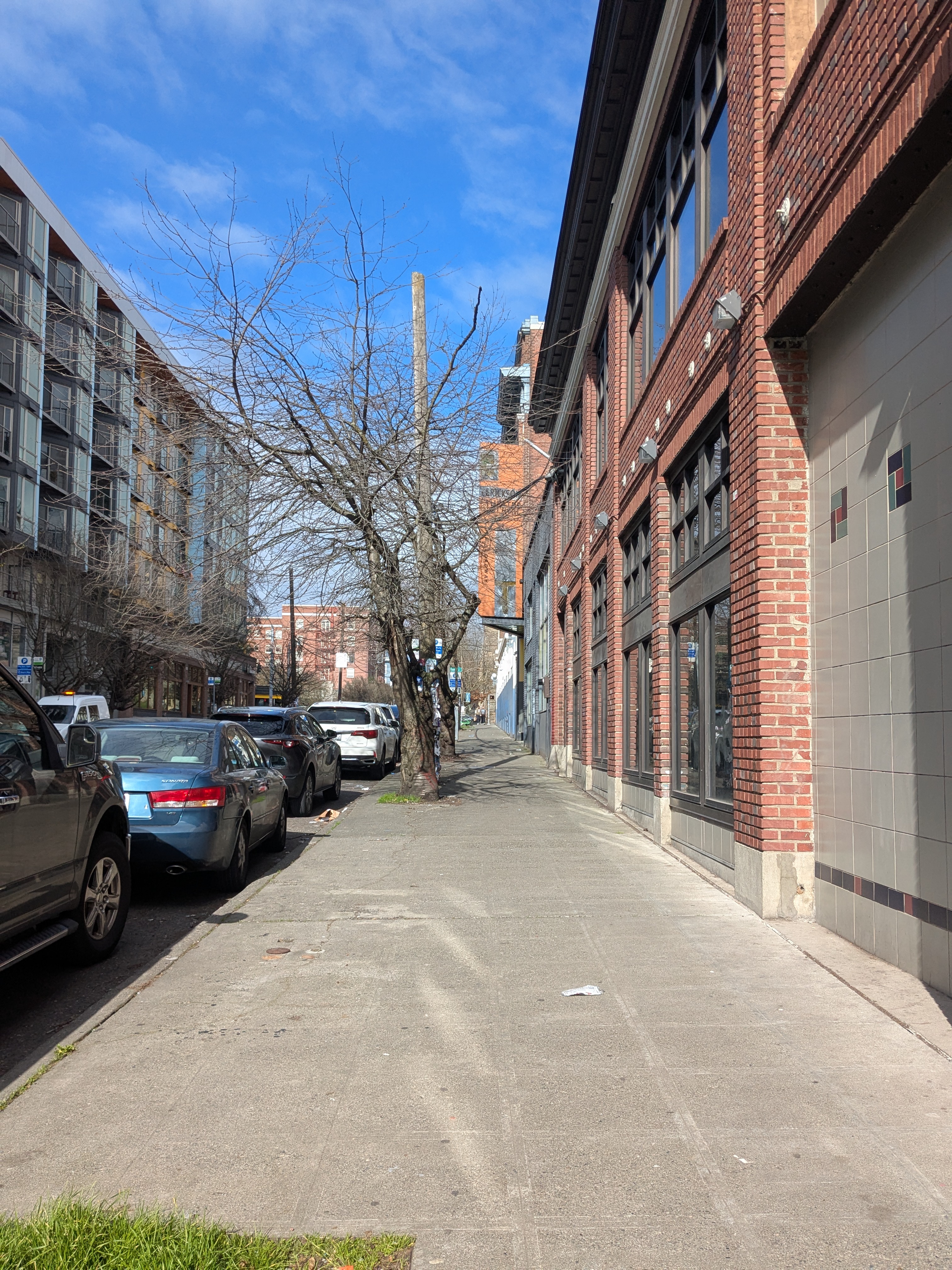
There is no one type of brick and no singular process – ten thousand years of brick making has spanned many cultures. However, when I say brick, I mostly mean red bricks, fired bricks – but bricks can be hand formed of mud or slurried with components that create other hues. For the clay brick producers of the world grinding, industrial revolution, brick making required access to large quantities of sand and clay, and among other things, a way to heat them in a kiln. Luckily for them clay, or rather alumina, and coal are geologic bedfellows, frequently layered together in extinct riverbeds and lost lakes.
I can’t know where the lumps of brick I started sticking in my pocket came from. Or rather, I am not going to invest the time and energy required to discern origin. However, I’d guess that they were made quite close by. Putting the city of Renton on the map, the Denny-Renton Clay and Coal Company was a conjoined beast of destruction in Eastern King County, mining the hills of clay and coal. (For people who know Seattle history Arthur Denny’s name and involvement in this venture should be of no surprise, the original settler-colonizer became rich from the spoils of showing up early and taking too much.). Around 1917 the company may have been the largest producer of paving bricks in the world and made many other products, including drain pipes and bricks for buildings. The resource extraction required to make these bricks continued and morphed as different players got involved over the decades and the needs of progress and industry shifted.
Picking up rocks on the beach is a joy. However, because the place I walk regularly with our dog Redd gets a lot of human use, I started picking something that was, at least, not entirely of the place. Not quite garbage but also not quite native rock. I had an idea to create some small scale art back at home using these bits of eroded brick.
Mimicking the true pebbles of the shoreline, the bricks that wind up there slowly shift from rectangles to tiny pebbles. They no longer have the uniform anatomy of headers, frogs, and arris. I don’t need to know how long this process takes, but I imagine it depends on the location, the type of brick, and other factors obscured by my limited knowledge. What I do know is that there are thousands of eroded brick bits scattered across Point Heyer on Vashon Island, deposited by the drift cell that is endlessly pulling at the cliffs of Vashon Island. I can only assume these bricks were old structures that lined the coastline. Few pieces have any mortar left on them, a less firm form of human geology, Portland Cement.
The line of sea bricks I’ve started to lay down doesn’t feel too indulgent, and I only take what fits in my pocket on each visit. I don’t drag bags of them back with me. I don’t stack them atop precious shoreline habitat. A local geologist does with beach cobbles at the same locale, thinking he is educating people, but instead it appears to only encourage mass piling of rocks for no reason, impacting both ends of the intertidal landscape that is so imperiled by humans already.
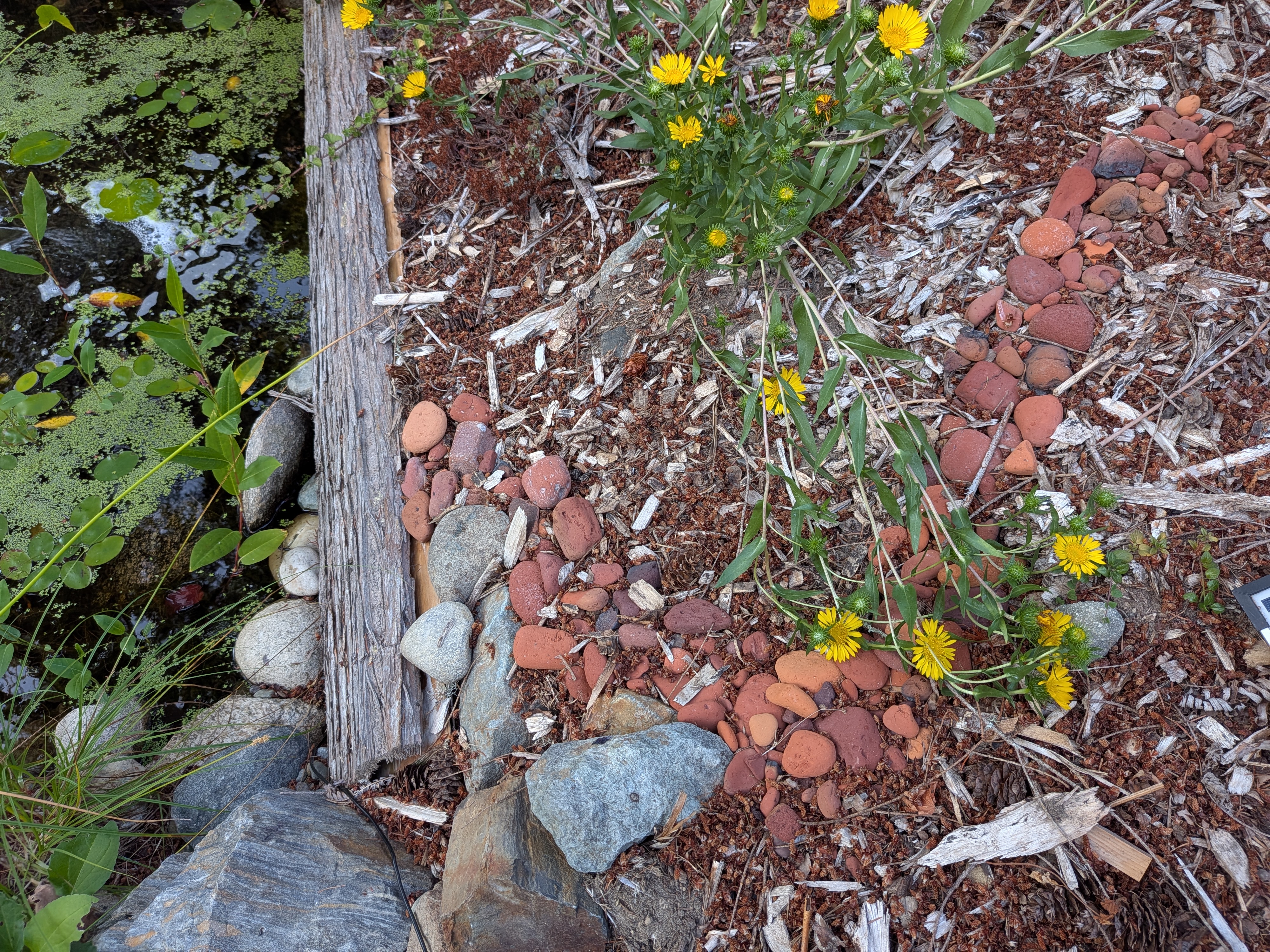
A few at a time feels more appropriate and most are pebbles on their way to grains. I like to feel them clinking in my pocket, disgorging sand from their pores, rough worry stones from eras past, a reminder that nothing humans do is permanent. They’ll drift away eventually, even in a line in my garden, because almost nothing is immune to the slow pulling of time.

