
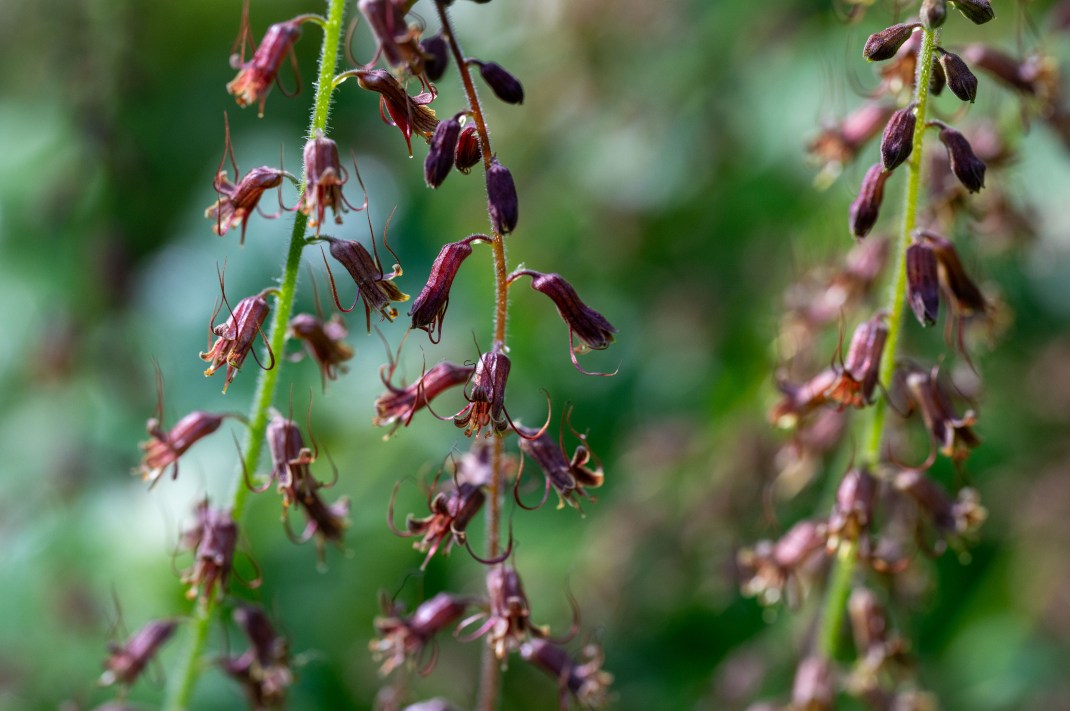
For a few years now I’ve been trying to focus on things that make me happy. In this dizzying world of perpetual horrible news and late stage capitalism, giving oneself some space for this is a graceful way to show up for things that matter. I won’t pretend that’s been a resounding success, but it’s been important for me in stabilizing my outlook on life (and is a luxury my position of privilege affords me).
Wingtrip has been one of those things that made me happy in the past. The process of documenting my travels, musings, and sometimes strong feelings, helped me feel whole and excited about the world. I miss writing here. But I also made it a weight on my shoulders.
The thing about writing is that it’s immensely hard, even when you have time and appreciation for the process. I don’t have children or abnormally large responsibilities, so I should be able to make a priority of writing any time I want right? I have debt, the responsibilities of home ownership, and no trust fund to lean on. Those things require a job and my job is not writing and non-work time sometimes just means resting (particularly because I am a fulltime arborist). Doing the adventure, naturalizing, photographing, and then taking the time to write about it can feel insurmountable in late stage capitalism.
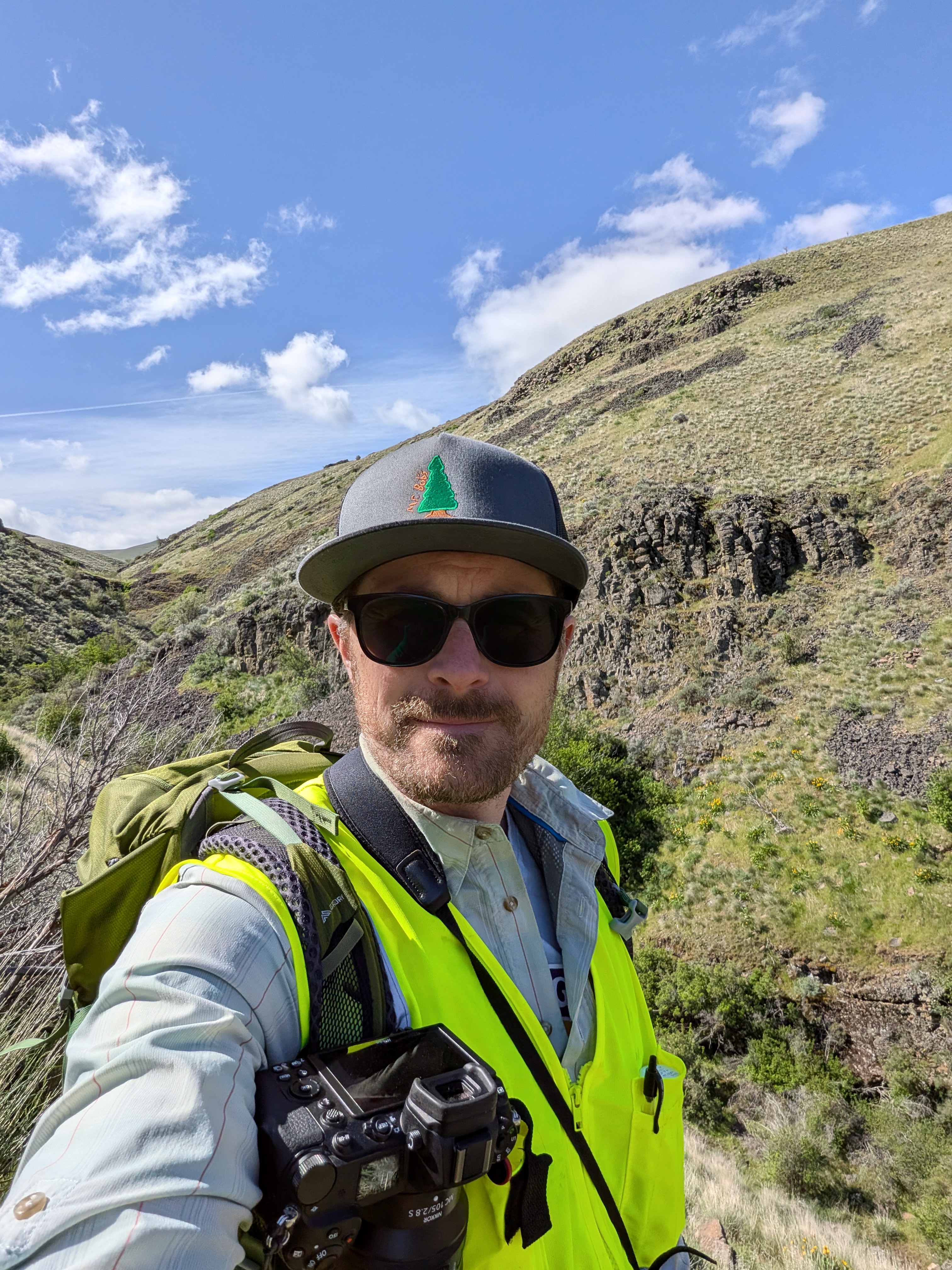
This explanation may be riddled with excuses, but they are real things that have squished down my ability to write. In a way I’ve been hiding from myself and the world; I’ve been ashamed that I haven’t been able to find a way to make a living doing something I love or at least went to graduate school for (and also feeling a lot of grief for our one and only planet). My day work is something that feels substantial but not always a net benefit to the planet. Ah, the millennial shame spiral, the falseness of being raised by a host of boomers who told us to reach for our dreams. But in resurrecting Wingtrip, I am hoping to sidestep those big weighty things and realize that it’s ok to write for fun, to do something because I like it, not because it should be monetized or career forwarding. (And also, continue to build a body of work that I am proud of because I made it, just for me. Other people enjoying it is just icing on the cake.)
Part of what triggered me to finally get back to this space was hearing my boss say he’s writing a novel. However, he is not writing a novel, ChatGPT is. I had a visceral reaction to his sharing this. Writing, along with reading, isn’t about skipping to the end and dusting your hands like you did the work. It made me realize that whatever I put out into the world on Wingtrip is worthy of existing, much more so than his “novel.” I have real stories to tell and even if I am slow and plodding, I don’t drain fresh water reservoirs and displace communities with my creative process.
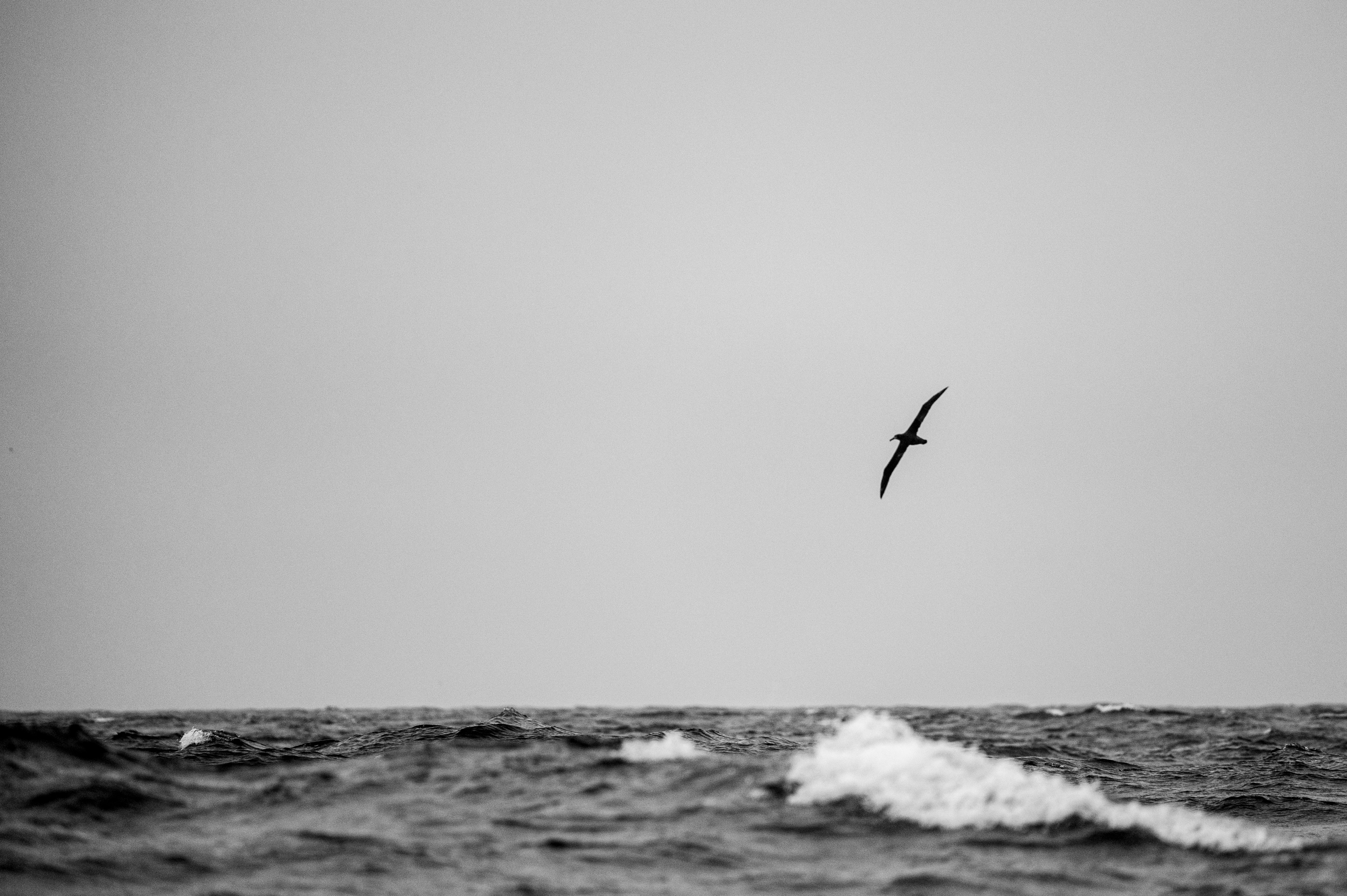
A lot of things have changed for me since I last wrote on Wingtrip. Somehow it’s been an astonishing six years since I last posted. One of the things I’ve learned and try to keep coming back to is that focusing on guilt doesn’t help (and truly I have been writing monthly blogs for Capitol Hill Seattle all this time). Wingtrip was always here, waiting, and I finally had the headspace to pick it back up. Below is a bit of a warm up and some things that I have been up to and enjoying lately. Thanks for reading this and I hope you check back in for future writing and photos and multimedia about being a human a part of nature.
Stewardship and Homing
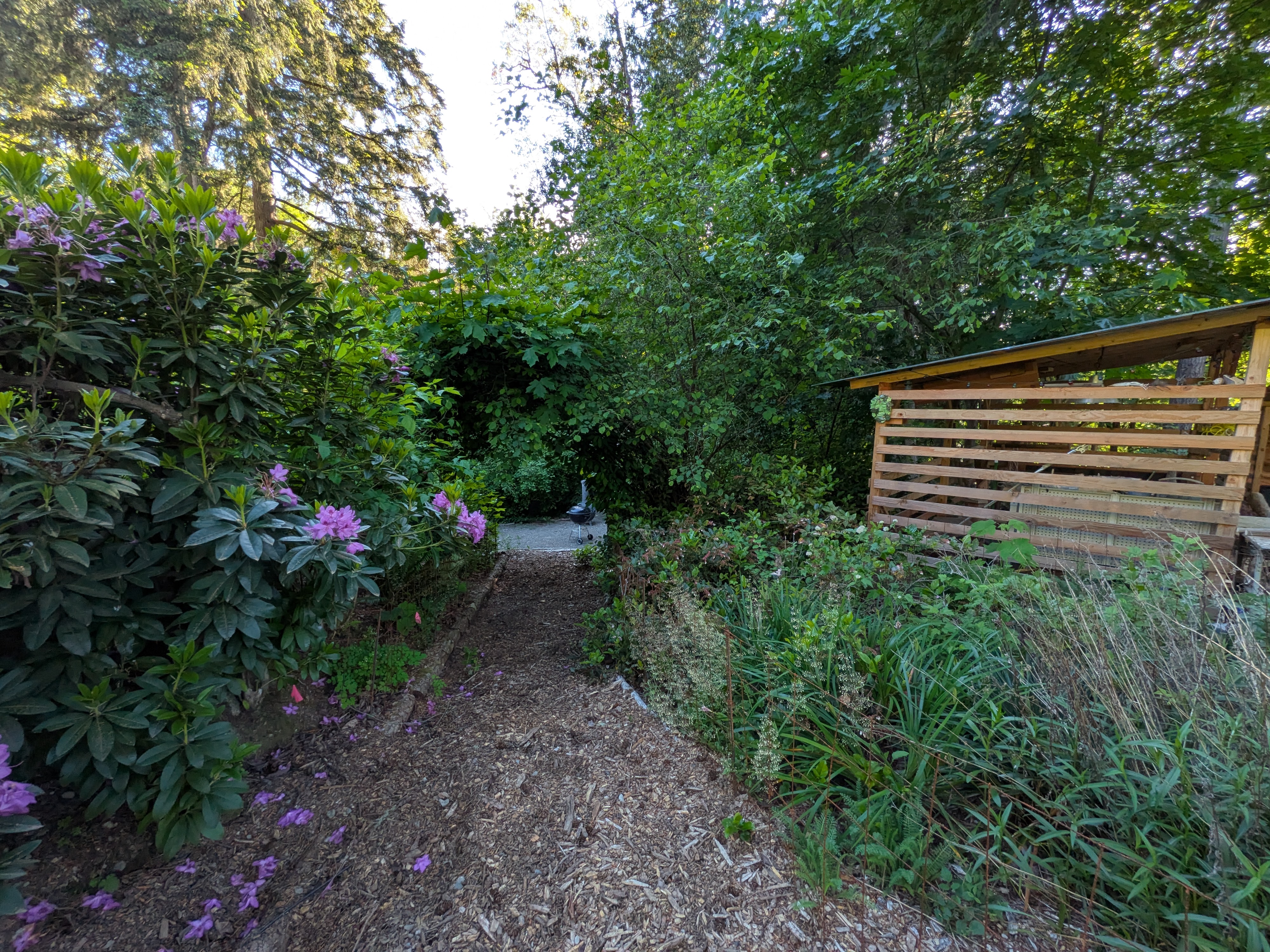
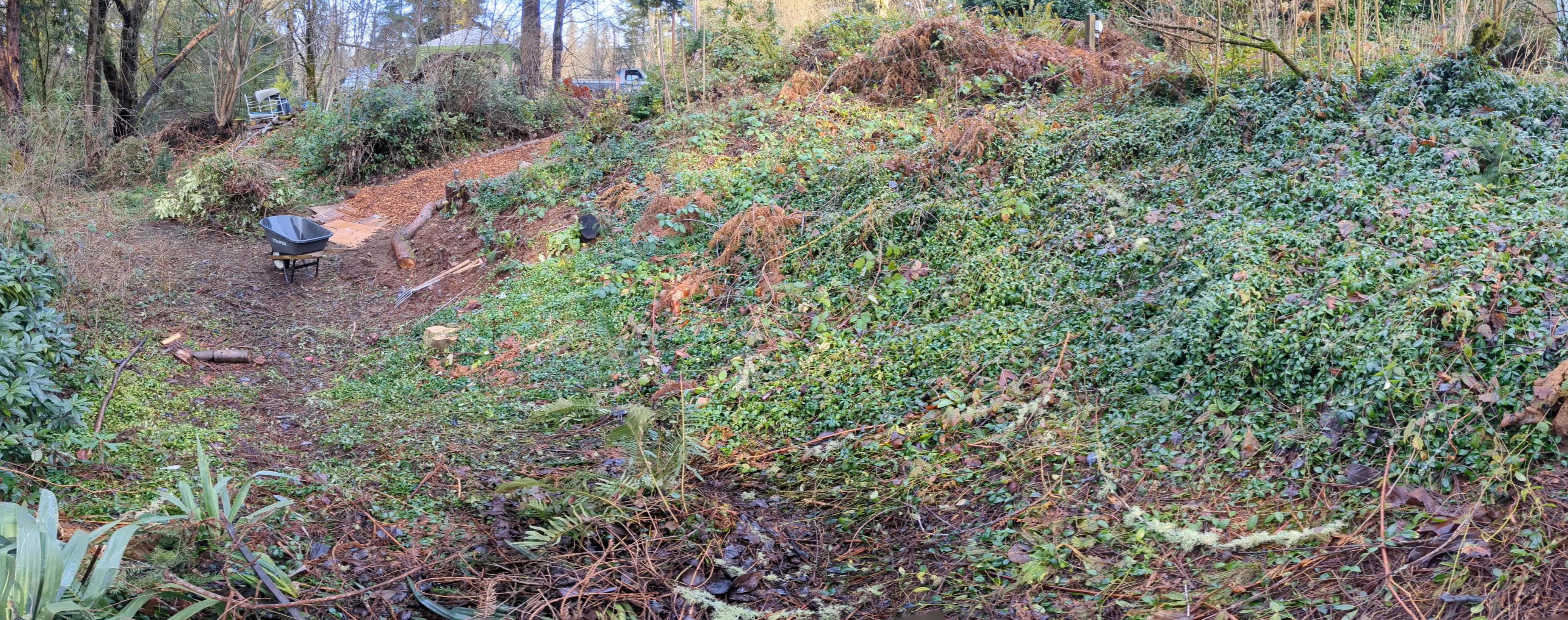
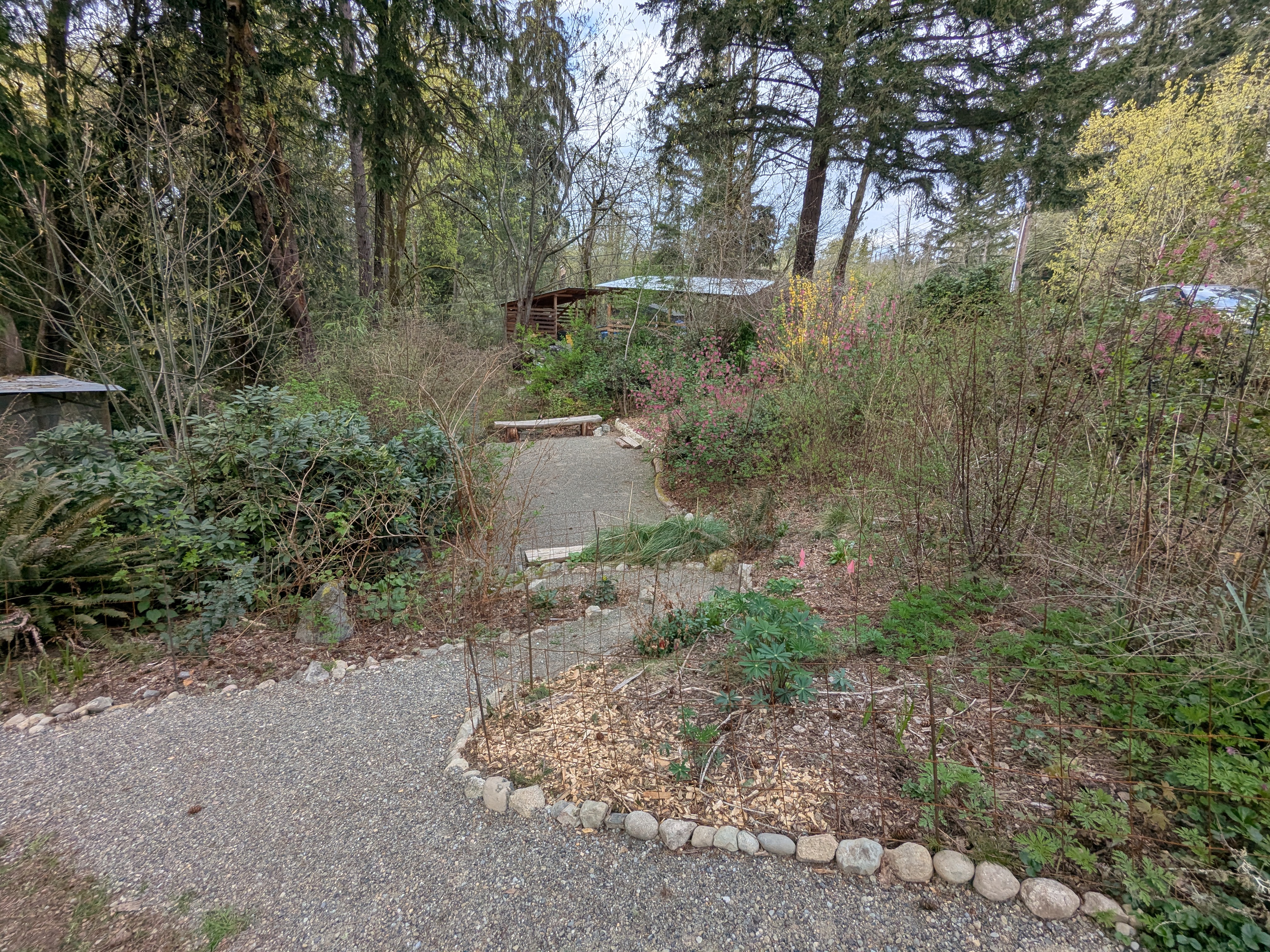
Probably the largest highlight of my life during this break was that my partner and I bought our first home. This was not something I had imagined would have happened in 2020 or even 2030, but we finagled it between her steady income and our mutual willingness to take on a project. I feel immensely lucky to be writing this from inside our little house on twoish acres on Vashon Island, Washington.
Most relevant to that has been our journey with the greenspaces on our property. We are still far from finished but in the process of reclaiming useful spaces for our lives, we’ve been building biodiversity by removing introduced species and replacing them tenfold with native plants. It’s been an immense learning curve but my skills as an arborist and gardener have come in handy. This is the first year I am feeling extremely proud of our progress even if some days I am overwhelmed by all the things left to do. I’ll write about this extensively about our rewilding in the future and also the idea of staying grounded in place or rather homing.
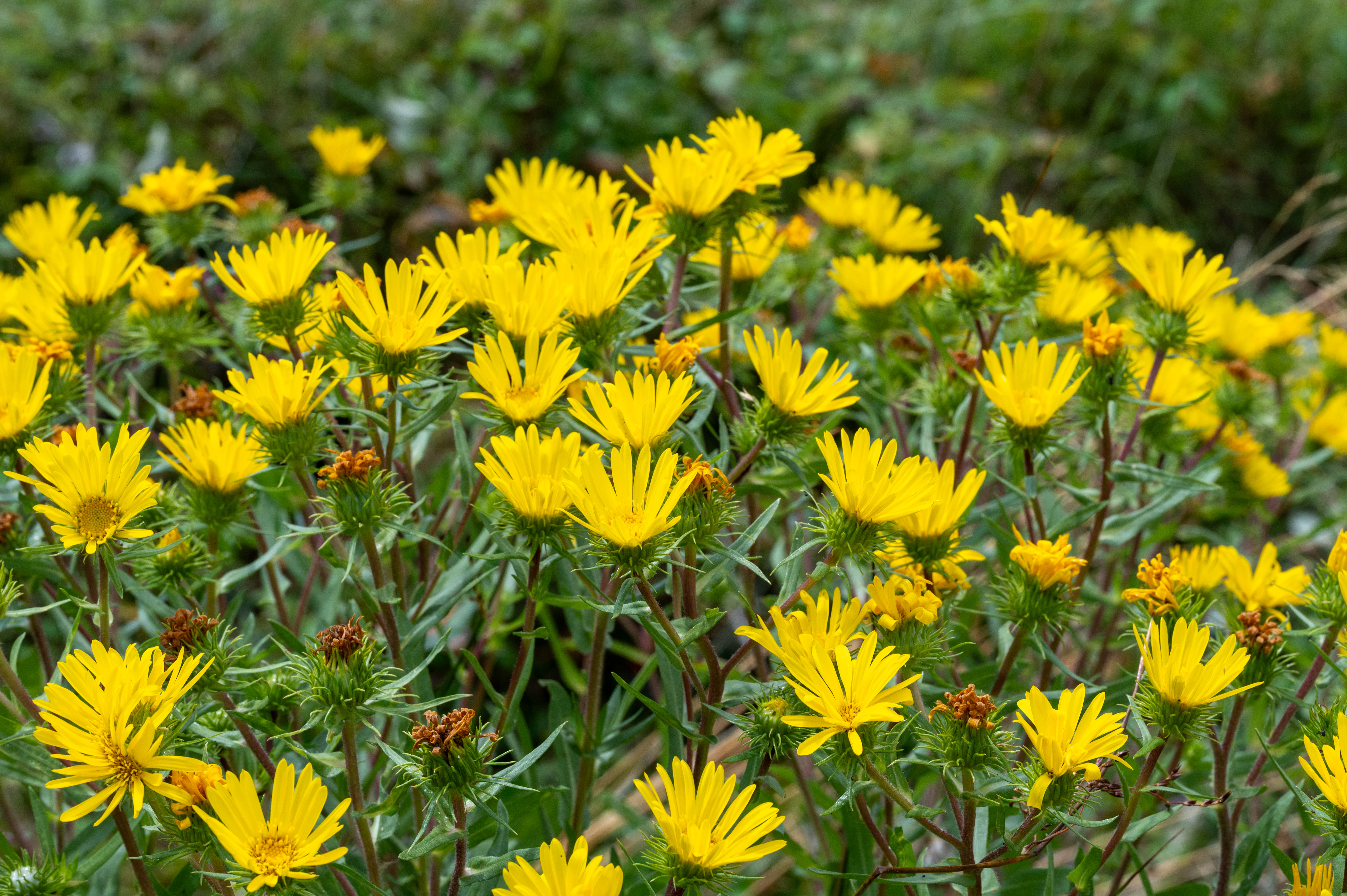
Native Plants
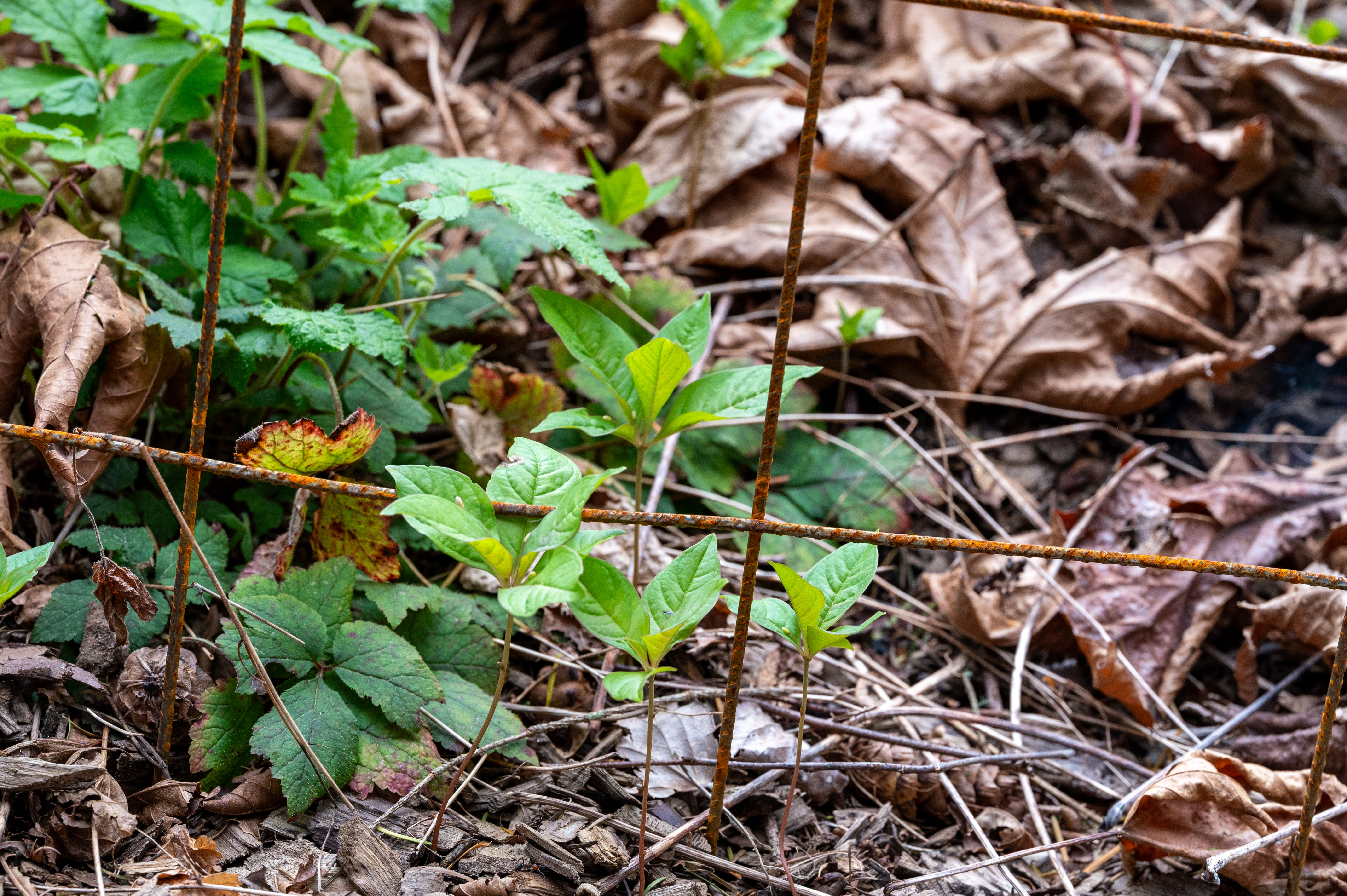
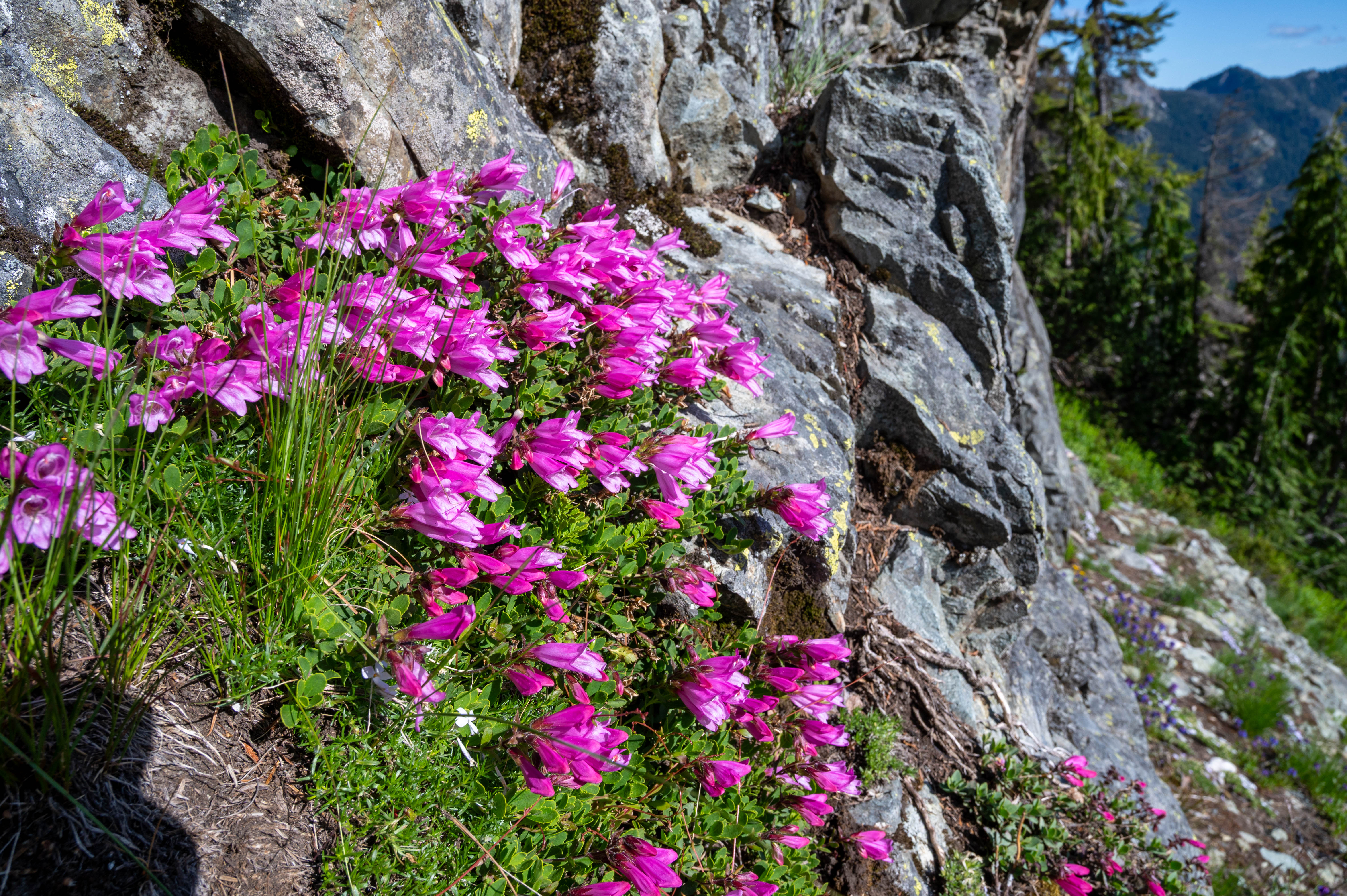
Because of a variety of experiences post graduate school, I have become way more fascinated by plants than I used to be. It’s a funny revelation because my mother has been a passionate gardener all my life, and I have spent countless hours working in her gardens and also working for her past design business. I still wouldn’t call myself a botanist, but I am much more aware of native plants than I once was and have gotten half-decent at identifying them. This has led to learning how to propagate natives for our garden and given me a deeper knowledge of the connectedness of ecosystems – something I always knew was important but which I didn’t always give full emphasis earlier in my life.
(Piggybacking on that: I have a developing theory about how individualism in Western society has trained us to care about individual animals more than whole ecosystems and has been extremely detrimental to how many people show up in their concerns for life on this planet – I’ll flush it out in a blog post that I promise won’t be grim.)
But anyway, plants are super cool and their added layer to my worldview is welcome, even if it means I take even longer to go on a walk.
Native Bees
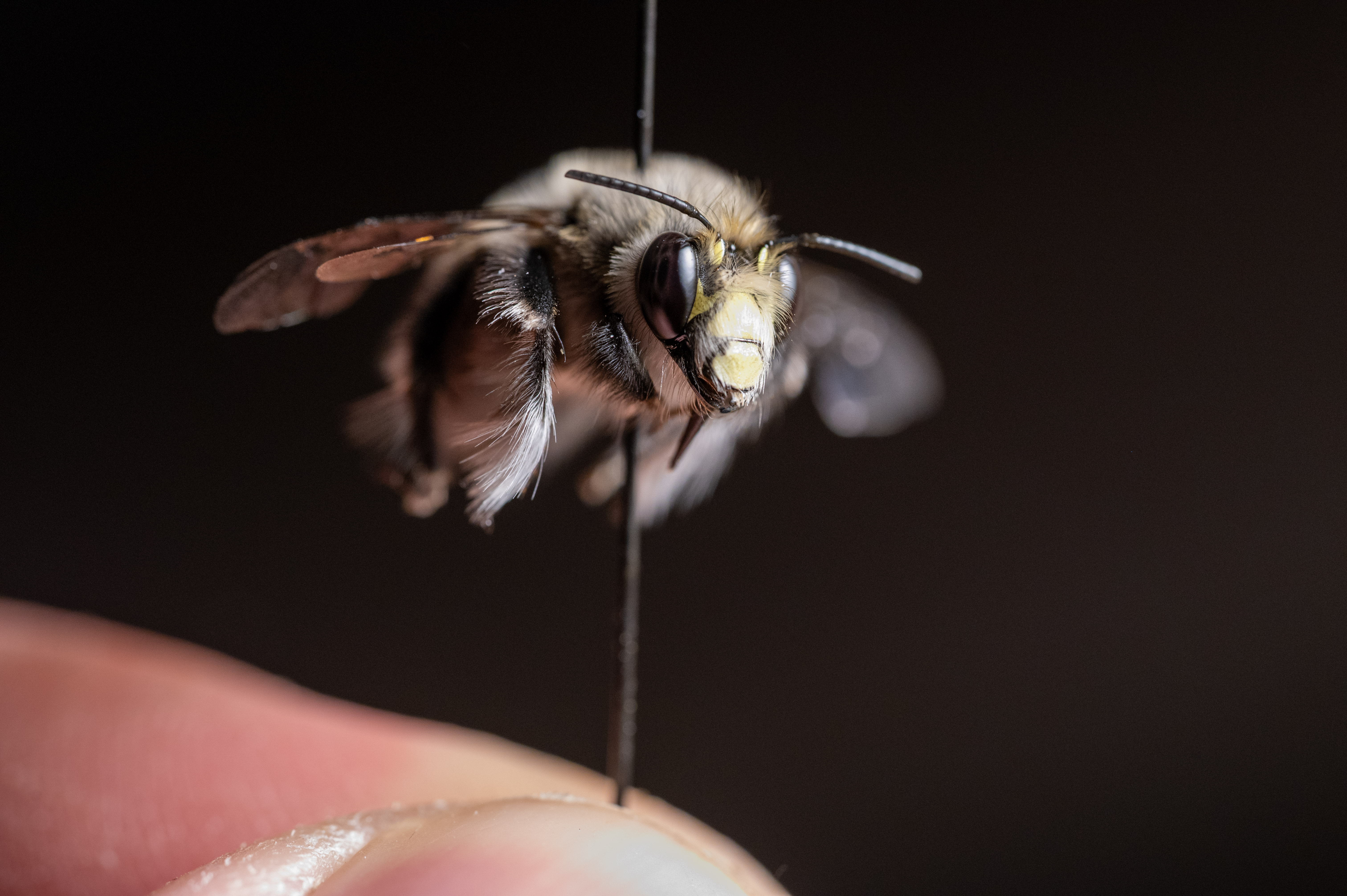
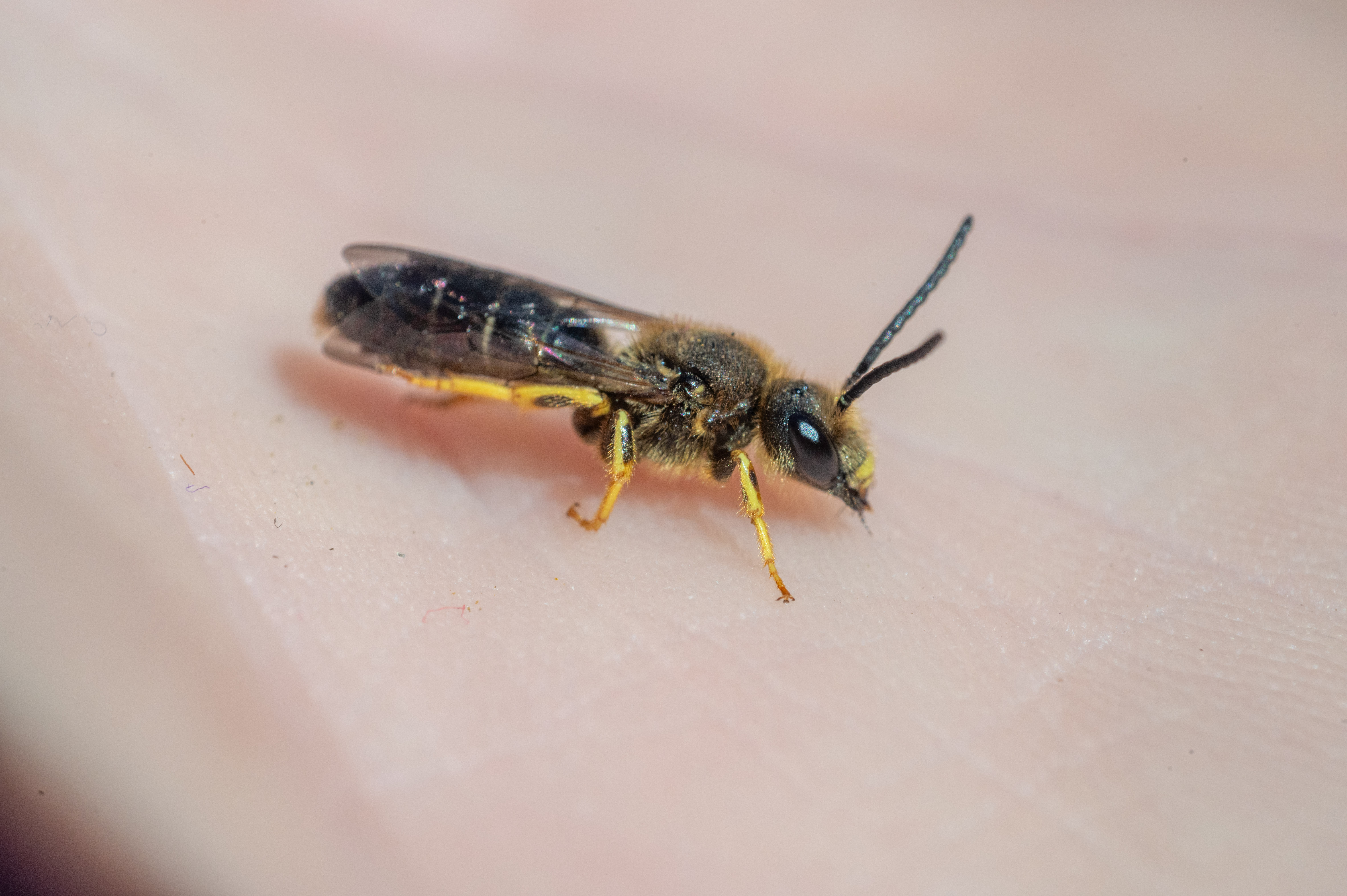
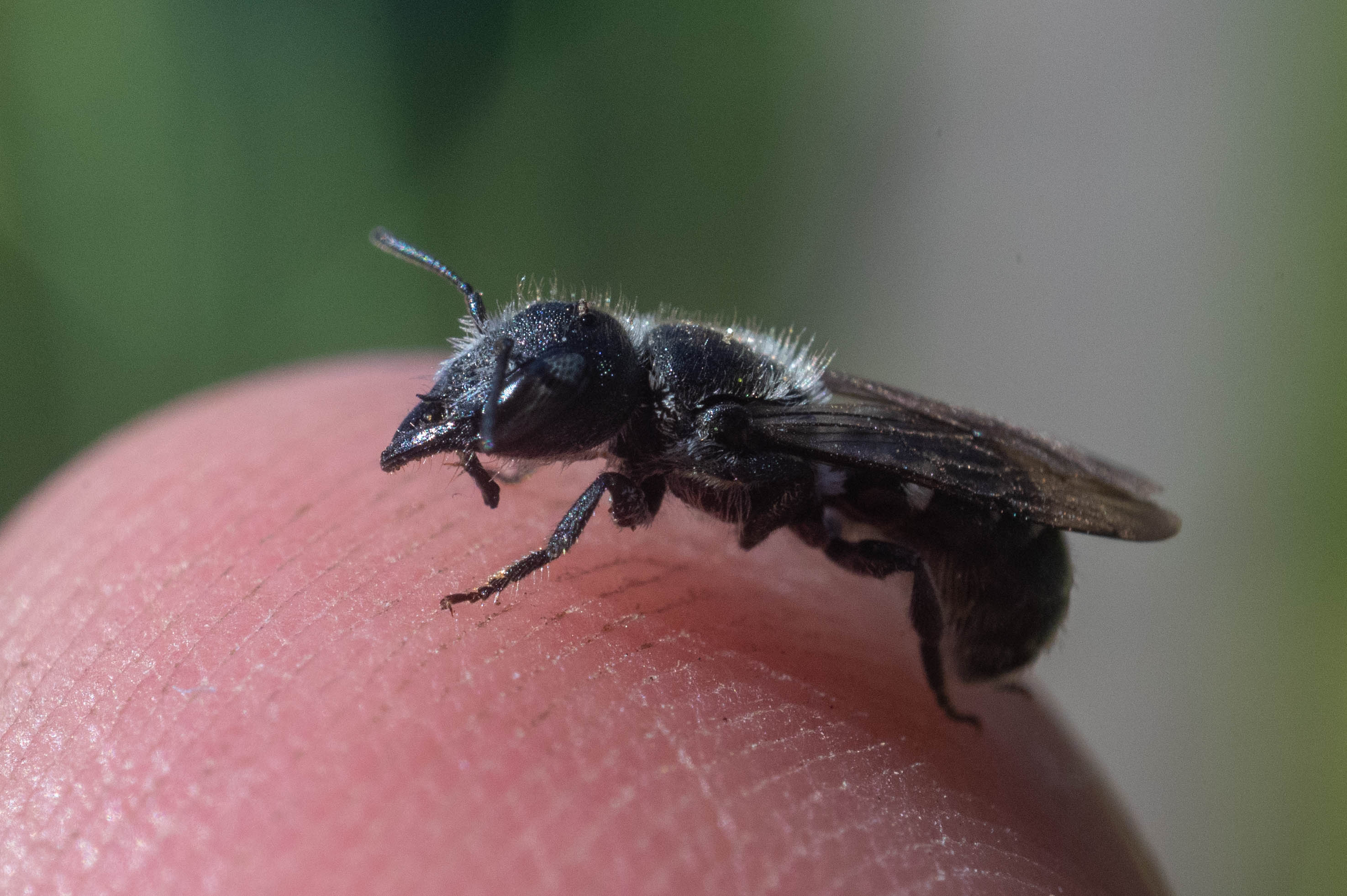
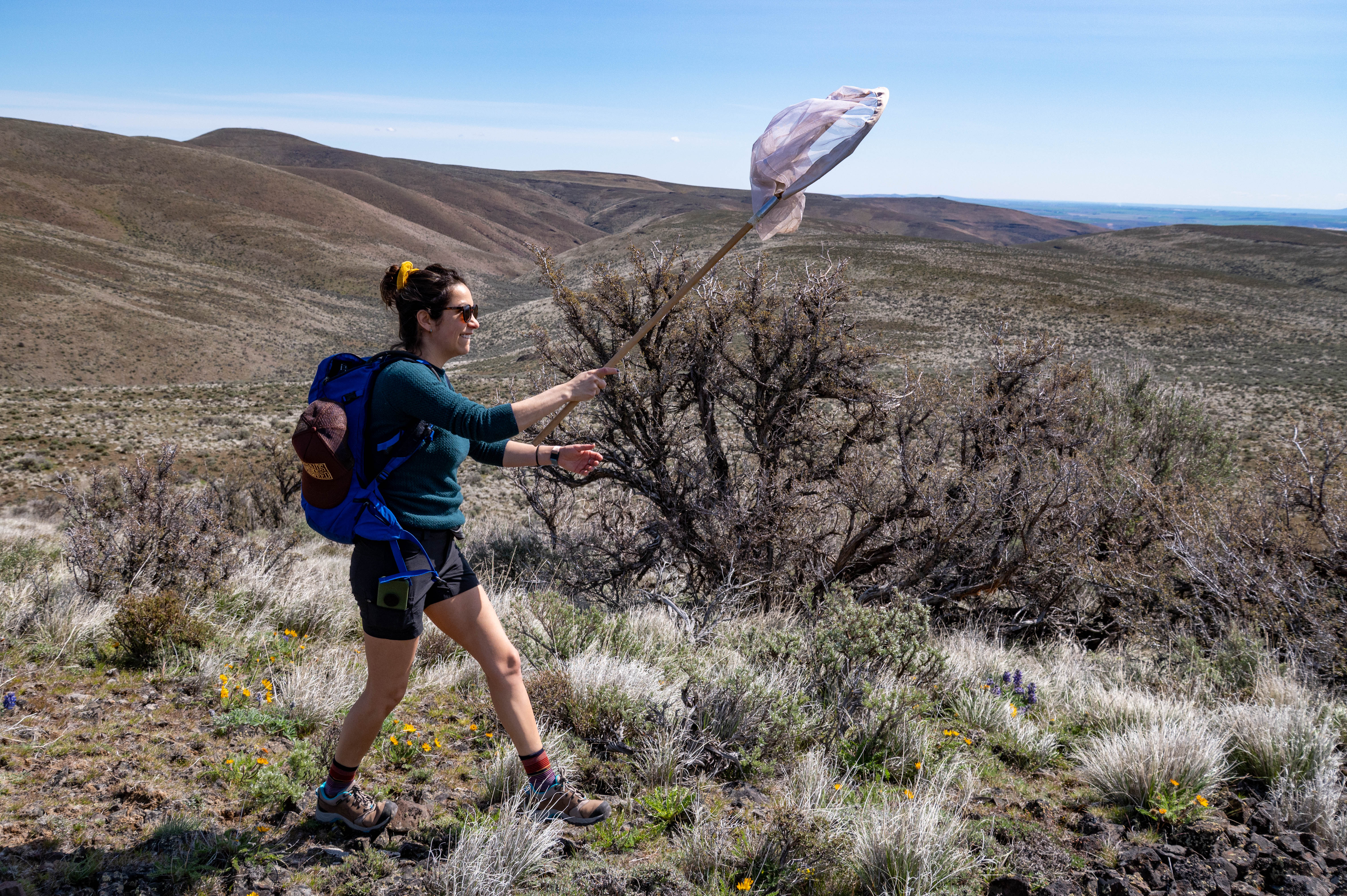
During graduate school I was introduced to the wondrous world of native bees. During a brief field excursion in the Methow Valley I met a couple of extremely passionate amateur melittologists. The realization that there were more than just a handful of bee species in Washington (there are over 600) was earthshattering. By joining the Washington Native Bee Society and later the Washington Bee Atlas I have gained outlets for this interest and ways to contribute to bee conservation as a community scientist. This year I finished up my Apprentice Master Melittologist training with Oregon State University and hope to work towards my journey level in the coming years. Now when I see a plant I wonder what bees visit its flowers and I take even longer to get anywhere. Bees also just happen to be an excellent foil to birding because most species are active during the middle of the day, when birds tend to slow down. Expect much more on bees.
Making Things from Natural Materials
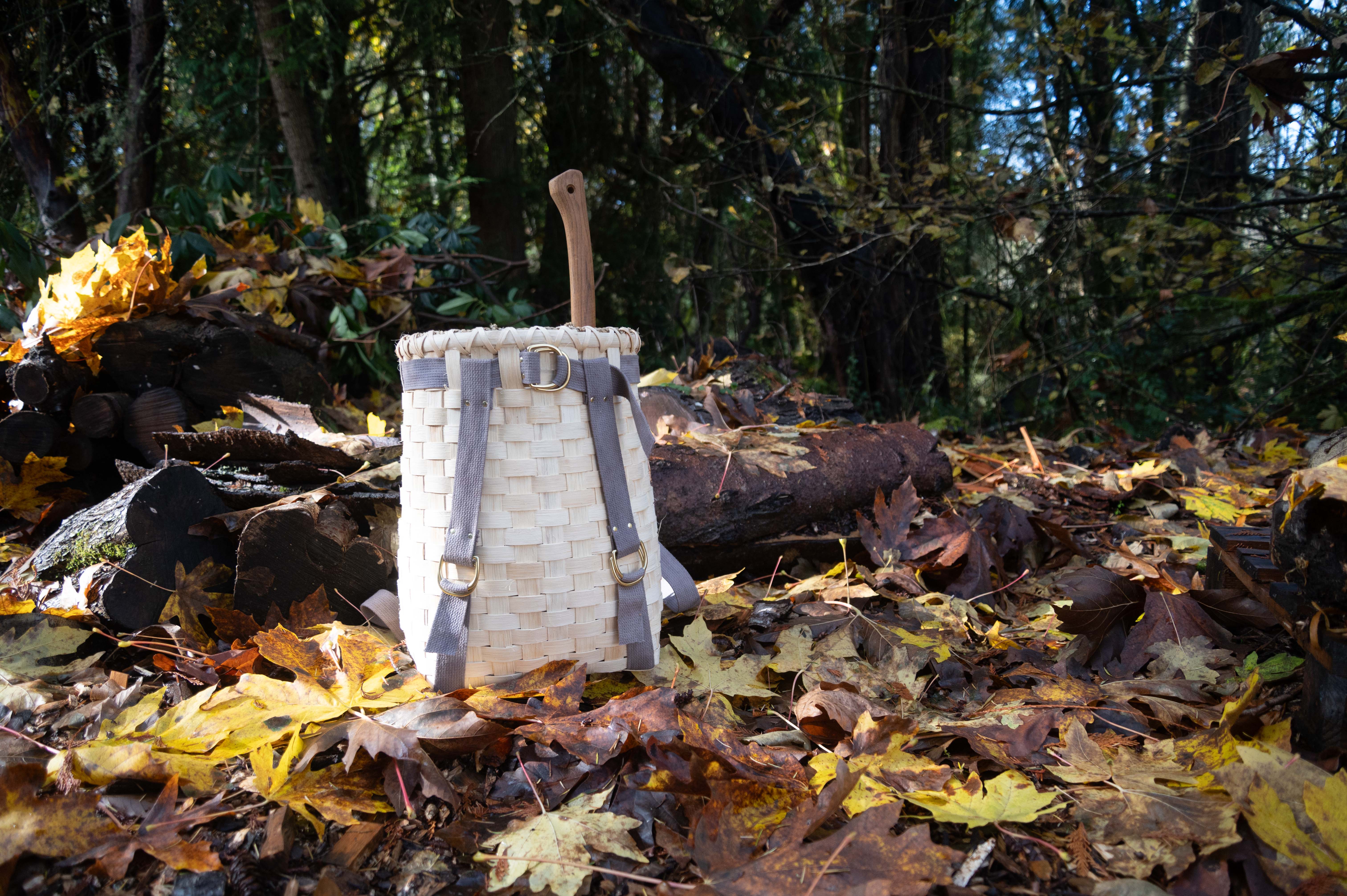
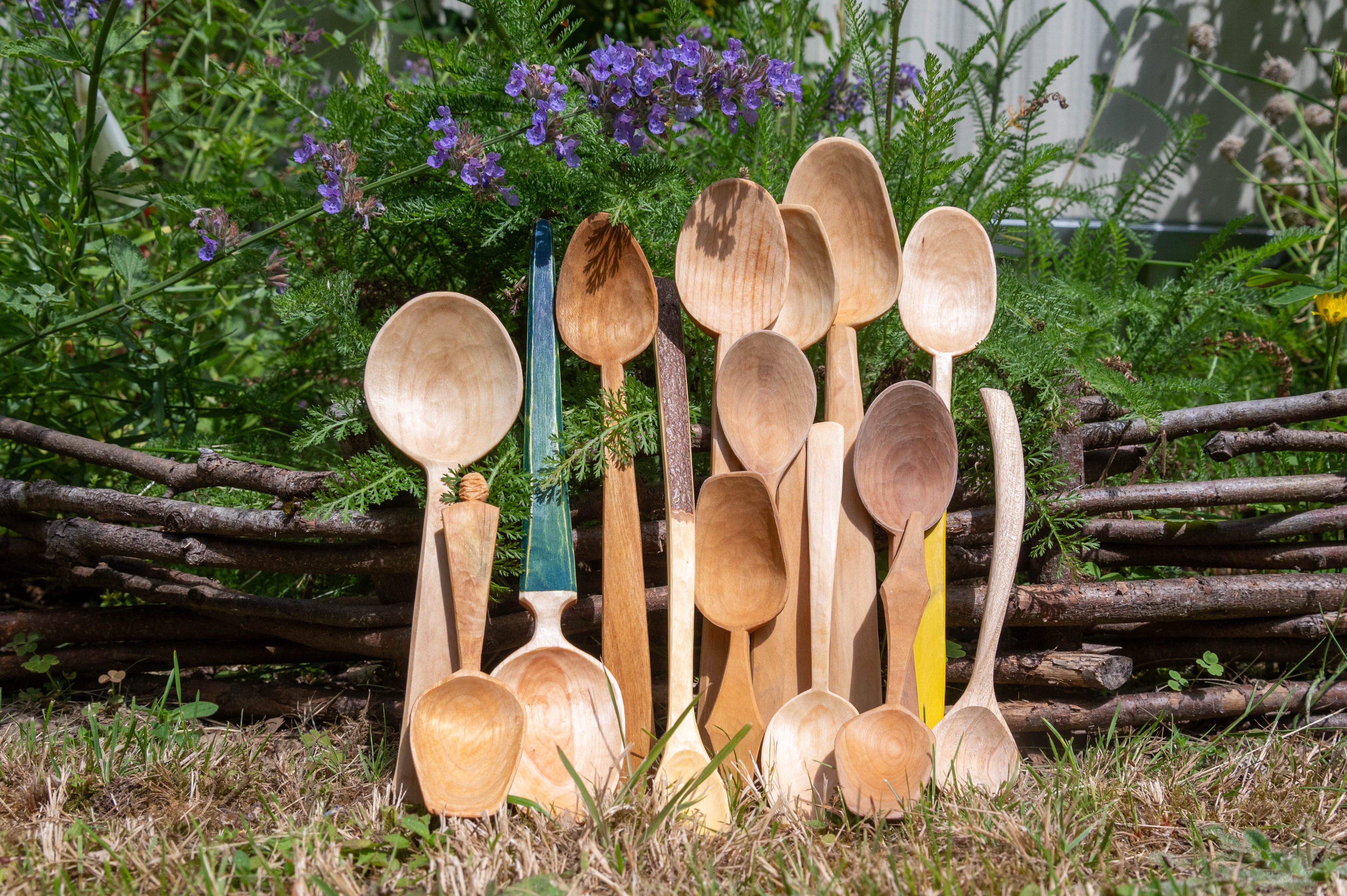
Graduate school may not have gotten me a stable job, but it did introduce me to many things I cherish in my daily life. I learned to carve spoons and suddenly my frame of reference for natural resources shifted – I realized that I could make stuff from plants. This stupid statement (because obviously humans have made things from plants for literally our species’s existence), was a jumping off point to learning to harvest plant materials, how to process them, and then weave, carve, and turn them into beautiful things for our life. Making in this manner is profoundly anti-capitalist and I love that the things I made can go back into the earth easily and readily, even the offcuts and scraps. Because Wingtrip has always been about being an observer, this is a bit of a shift, but I think it has a deep place in how we live as humans on this planet. I will weave these explorations in here and there.
Travel, Near and Far
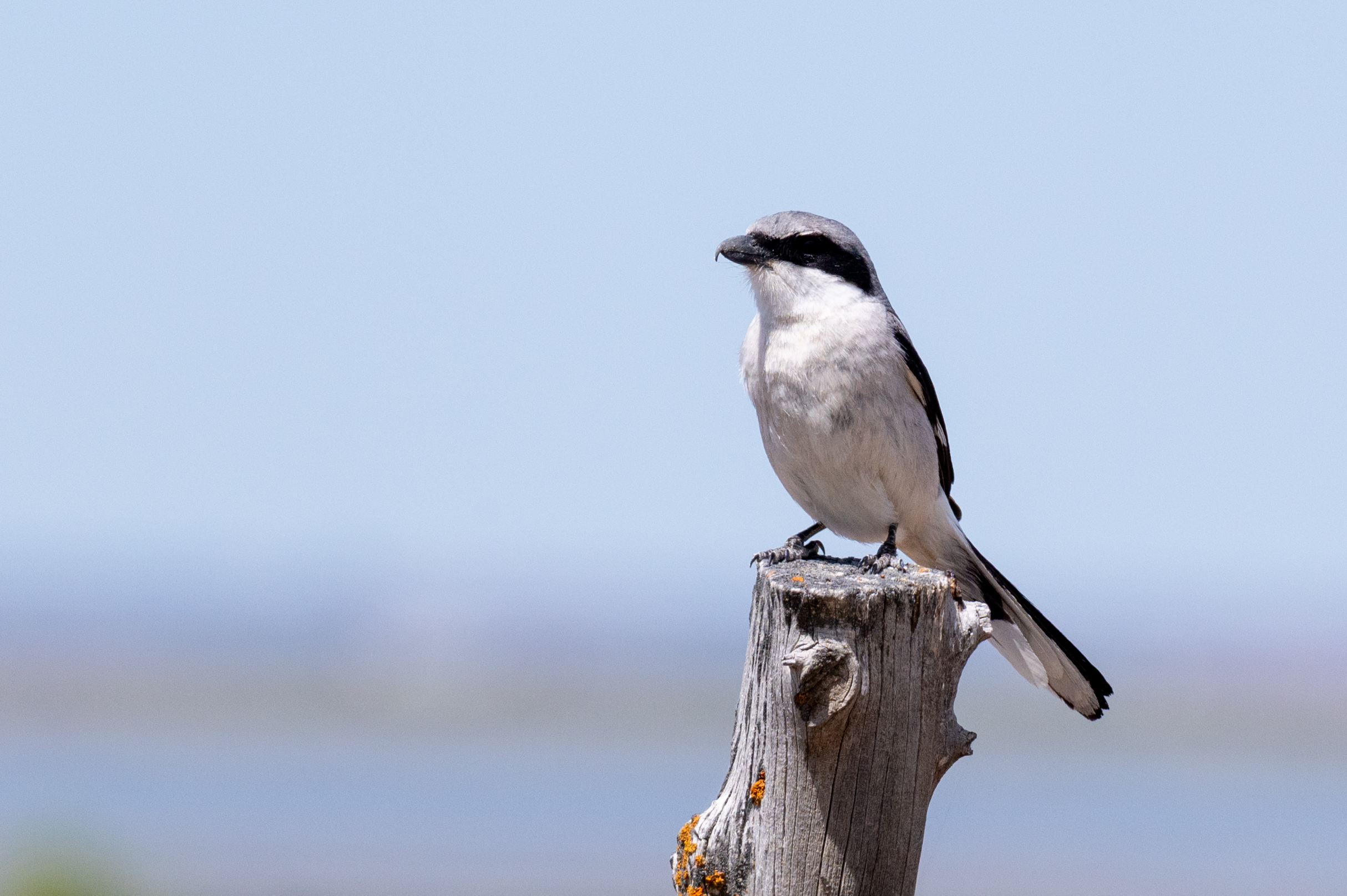
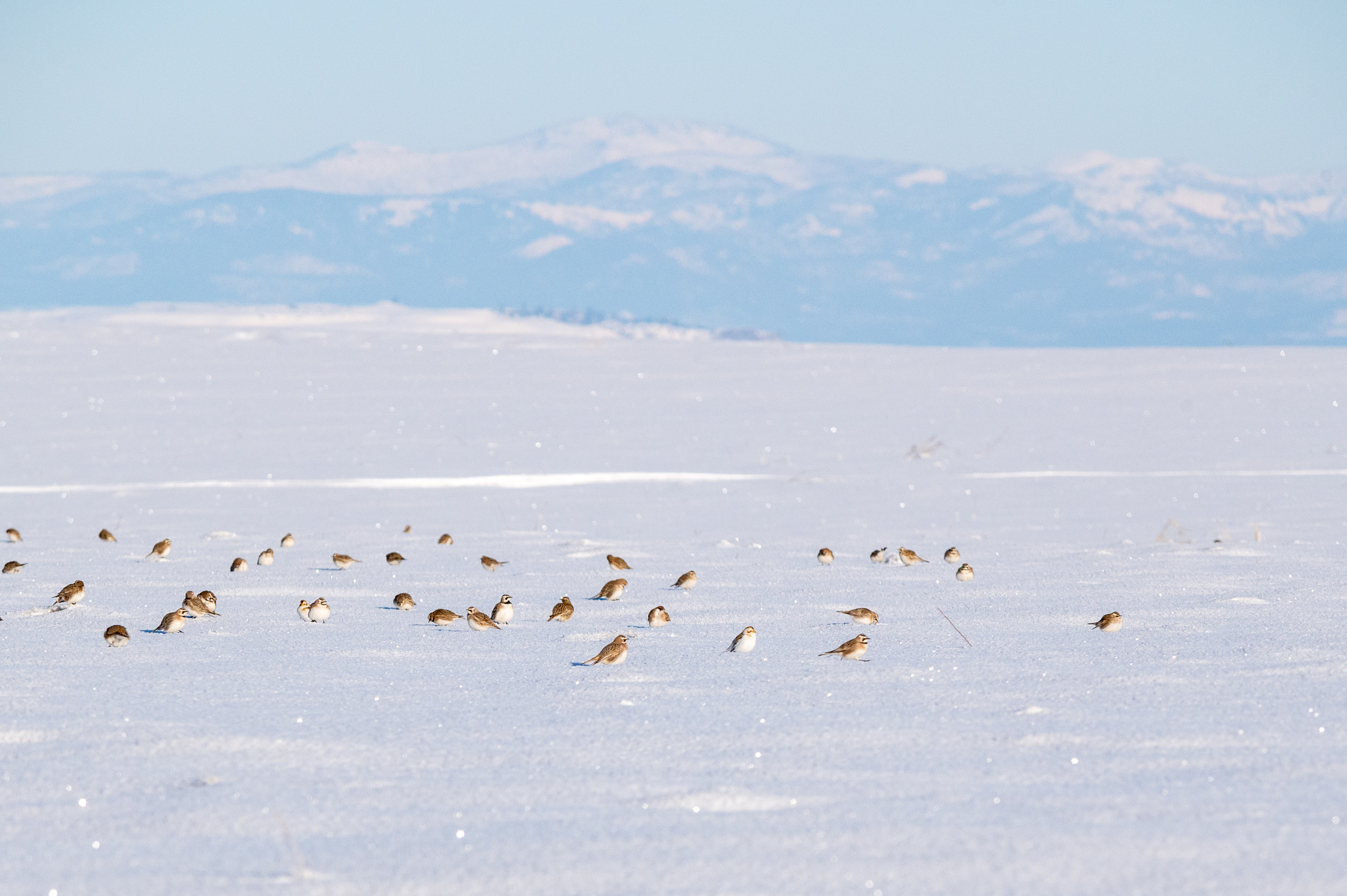
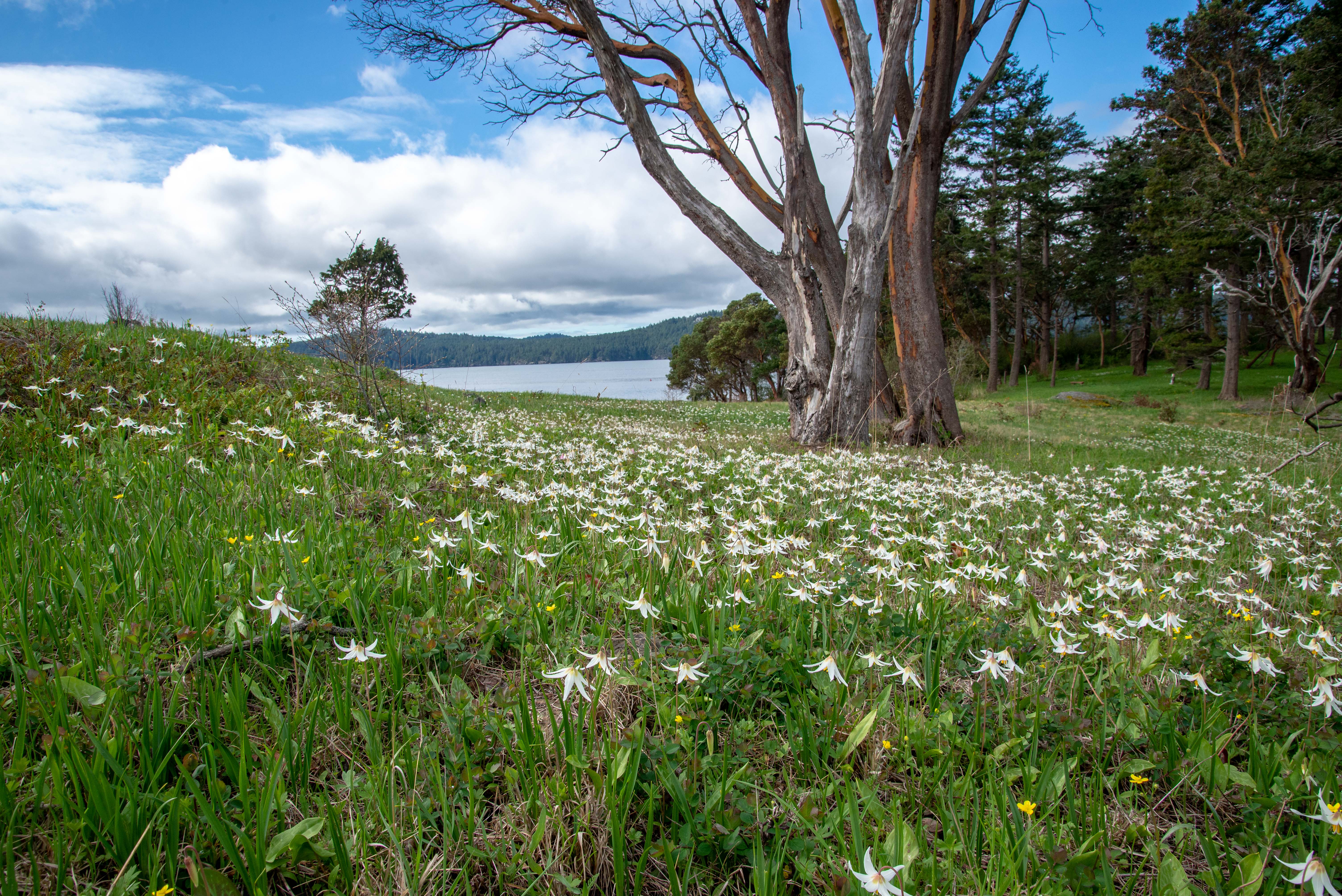
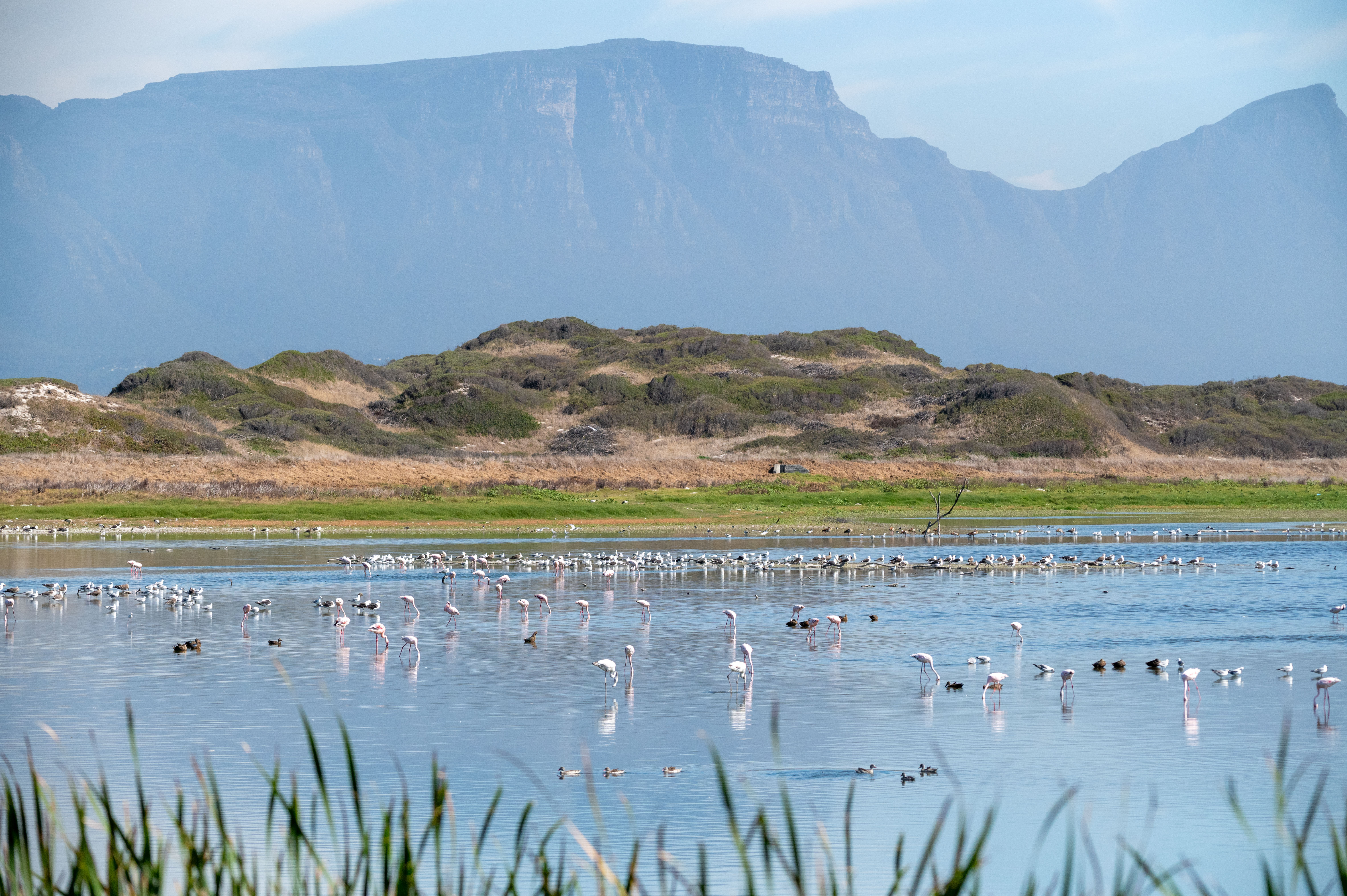
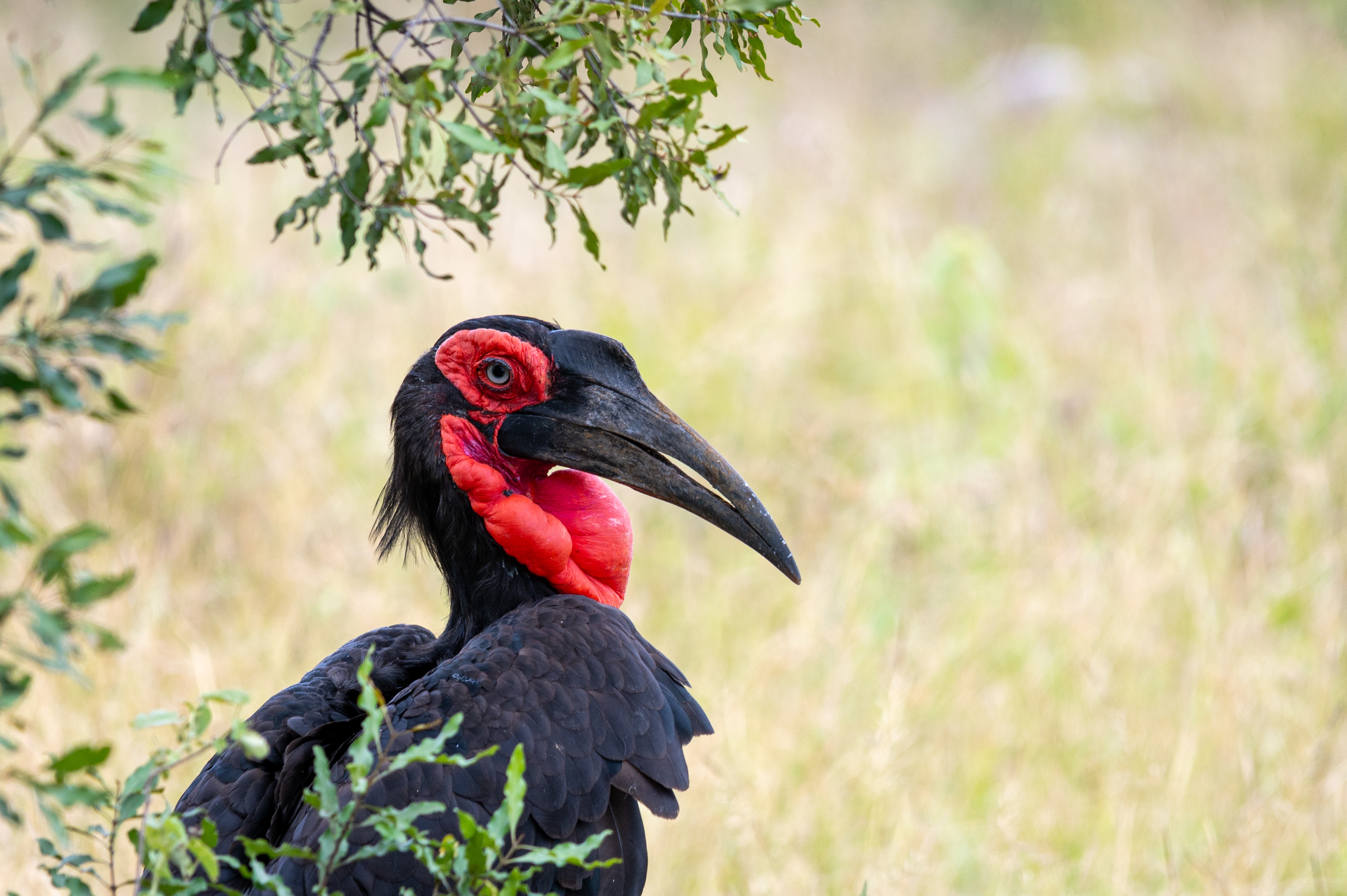
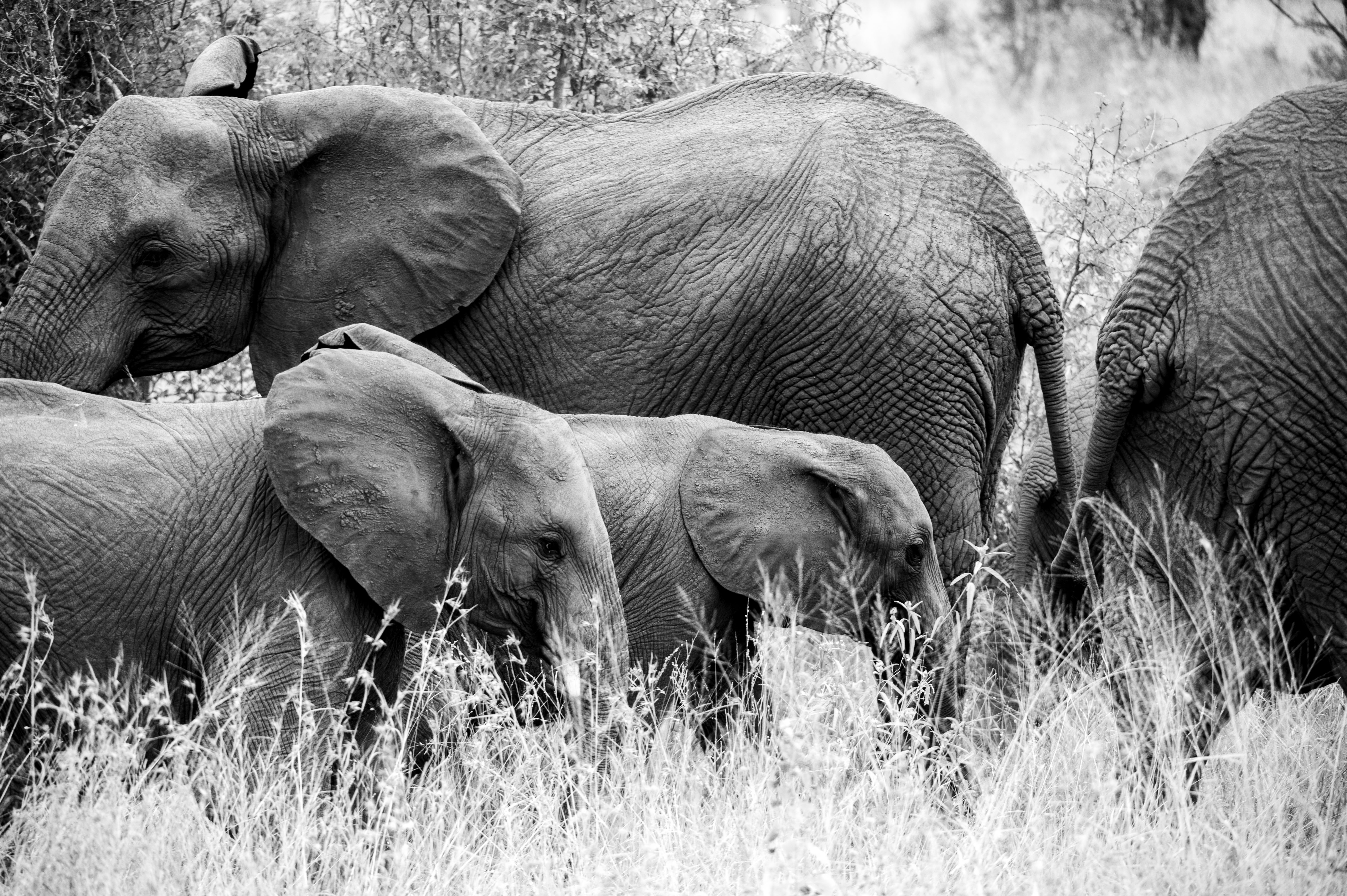
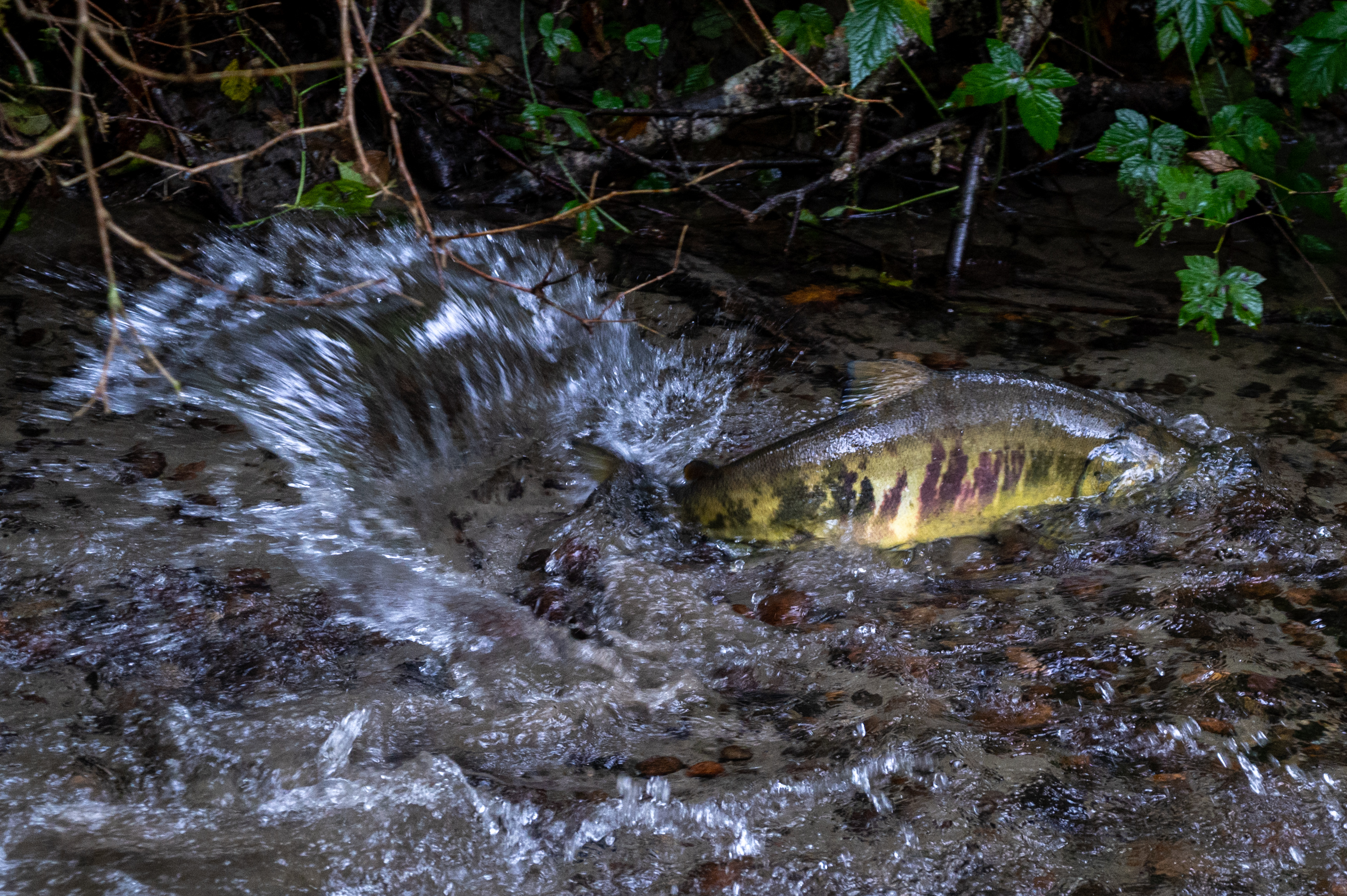
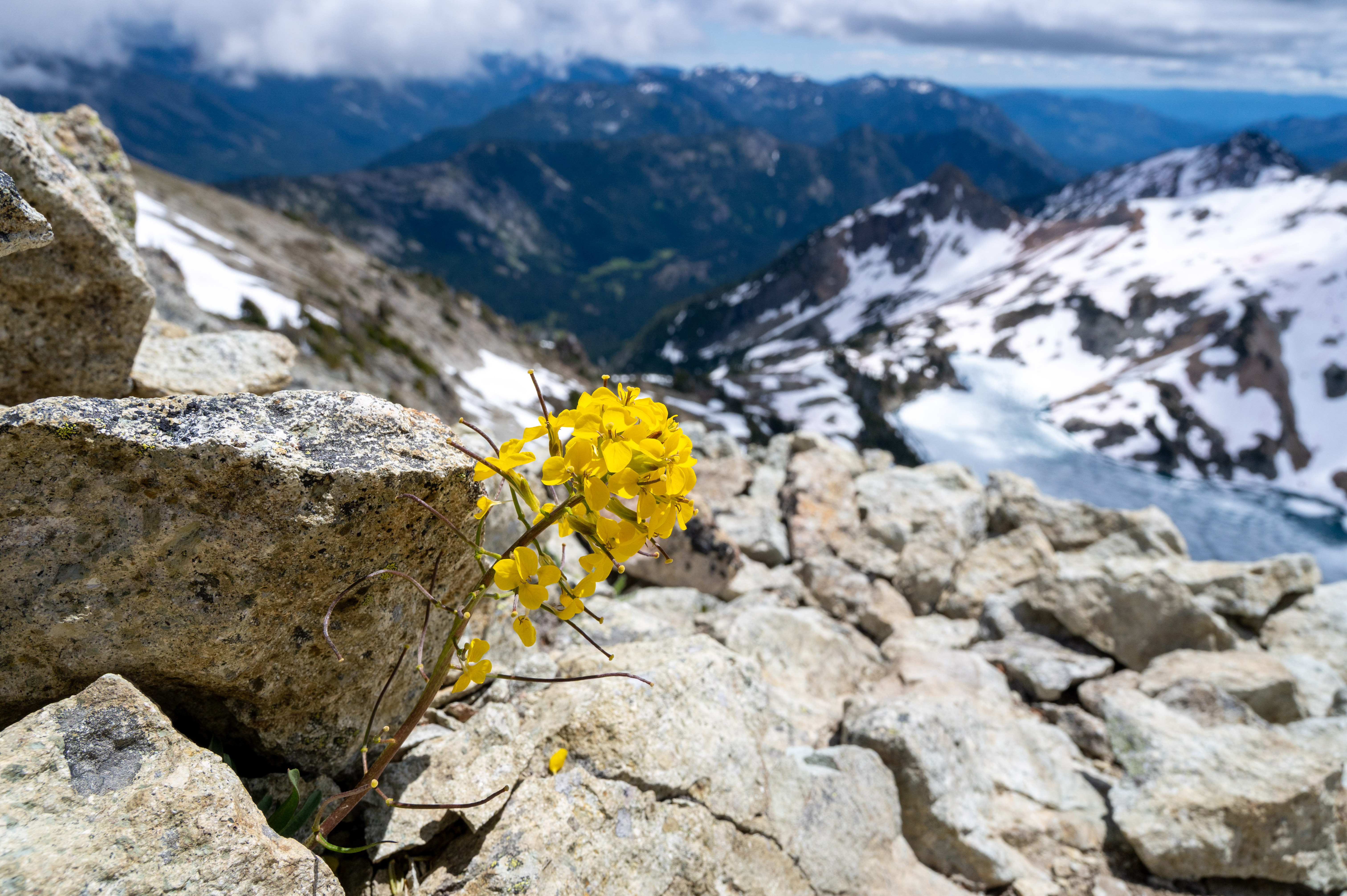
Despite focusing on home a lot more, I have managed to see a few places over the course of the years. Some of this has been going places with my new interests (along with birding always present), some has been exploring my new home more deeply (Vashon-Maury has some unique, exciting places for being in King County), and a few trips out of the country. The biggest trip was to South Africa, which I may or may not write about because I failed to keep a solid journal during the trip. (There’s that guilt again.) iNaturalist has been a constant companion in all these places, and even if I spend more time on my phone because of it, I am grateful for this app and the community it generates.
Ideas for the future
Aside from the writing I’ve committed to above there are other topics I’d like for Wingtrip. And even if this leans into my innate ability to put pressure on myself and make things too big, I wanted to get them down in one place instead of living in my head. Do any of the topics below call to you more deeply than another?
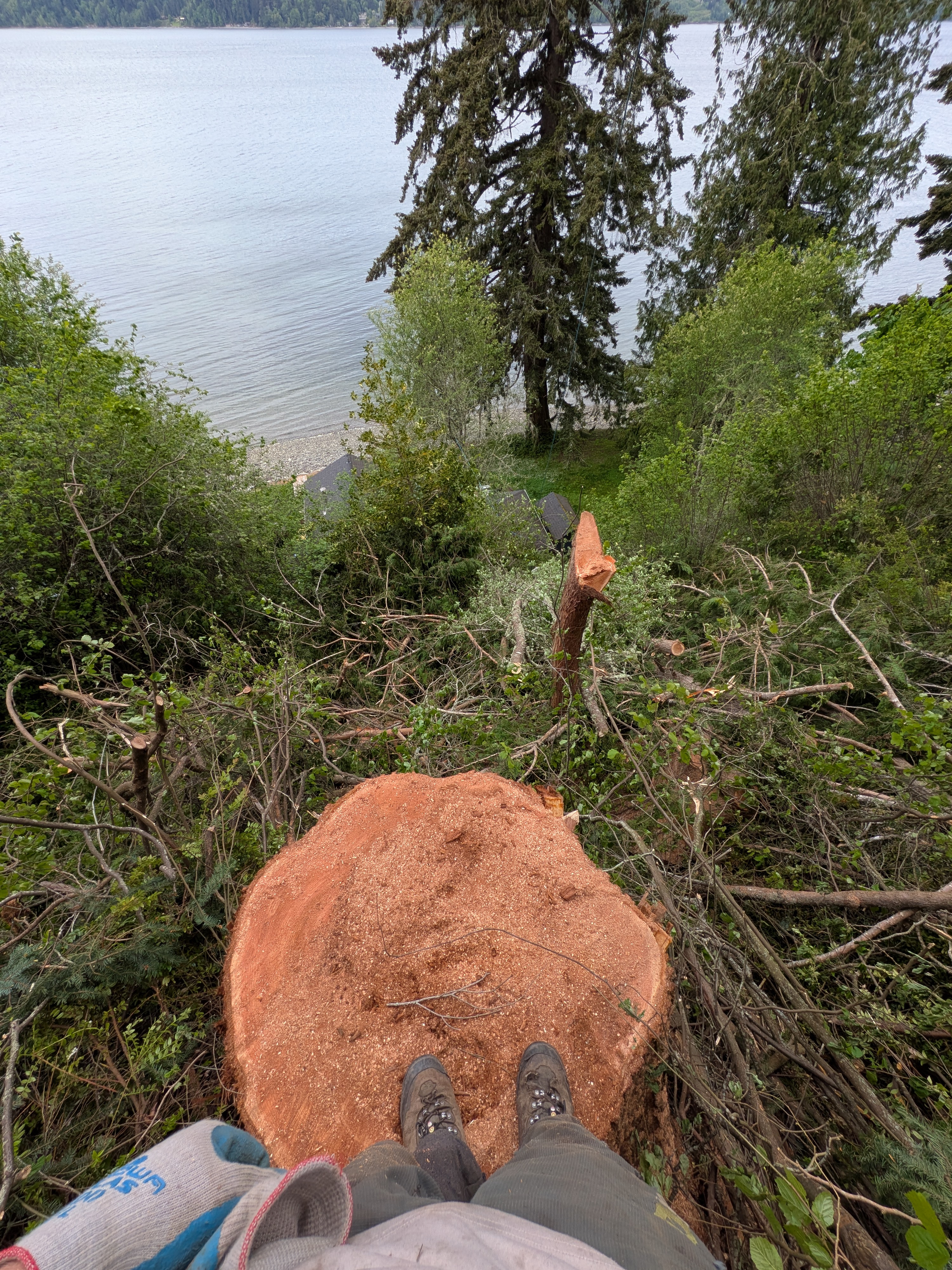
Trees: I started writing about native trees on Wingtrip under the title “Tree Love,” and I want to continue that. I spend a lot of my day thinking about trees because it’s my job – currently working as an arborist pays the bills and I think that this gives me even more insight than I’ve had in the past.
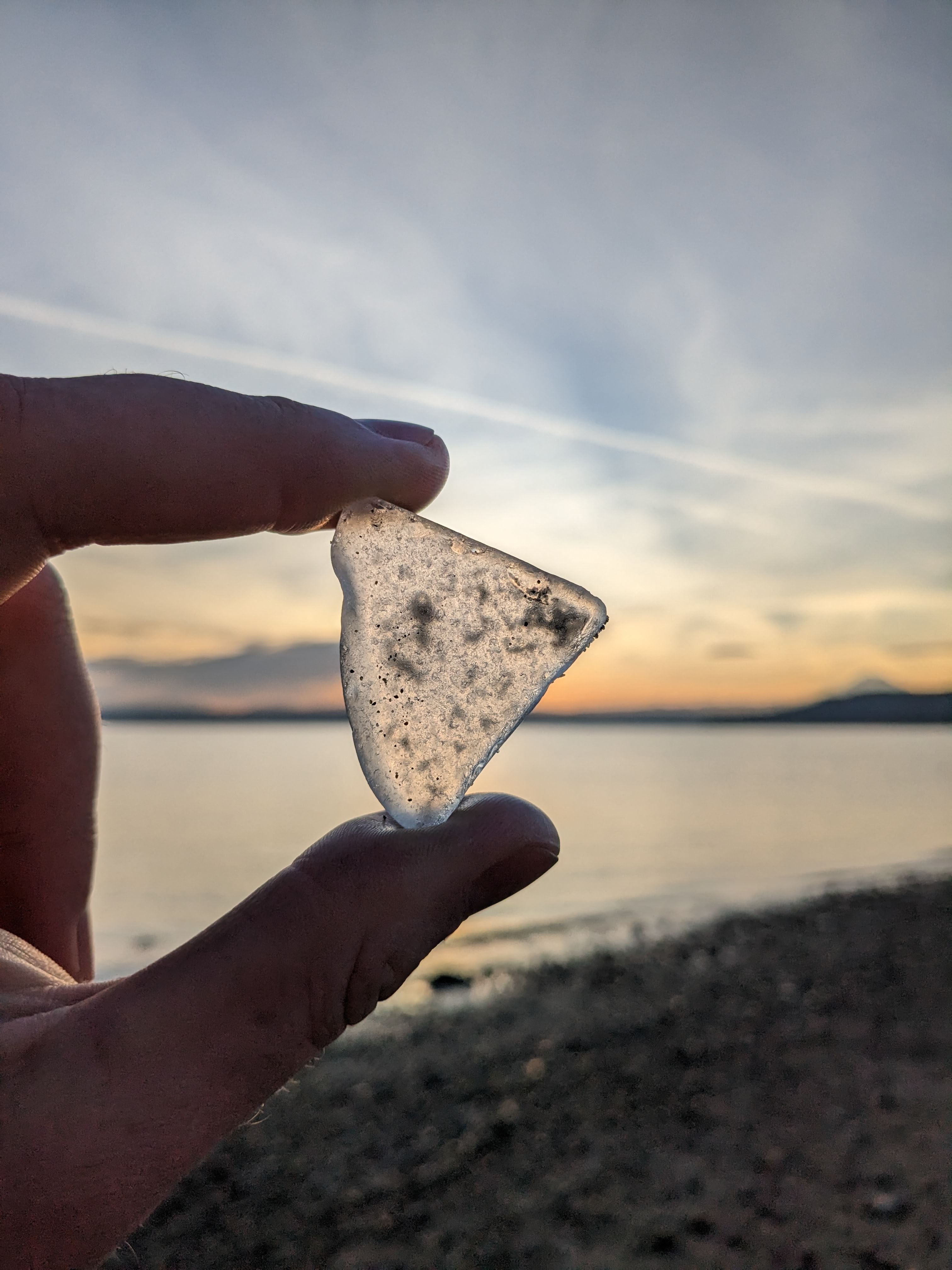
The things we put in our pockets: A natural History of the little bits we like to squirrel away. Sea glass, bird feathers, rocks, animal parts, sage brush sprigs, seeds. I think this is an interesting topic and worth sorting through.
What it means to be a naturalist: Truly, what does it mean? And do you have to actively identify as one to be considered one. Shouldn’t we all be considered naturalists just for living on this planet? This has long been an idea for a book but maybe I’ll start here first.
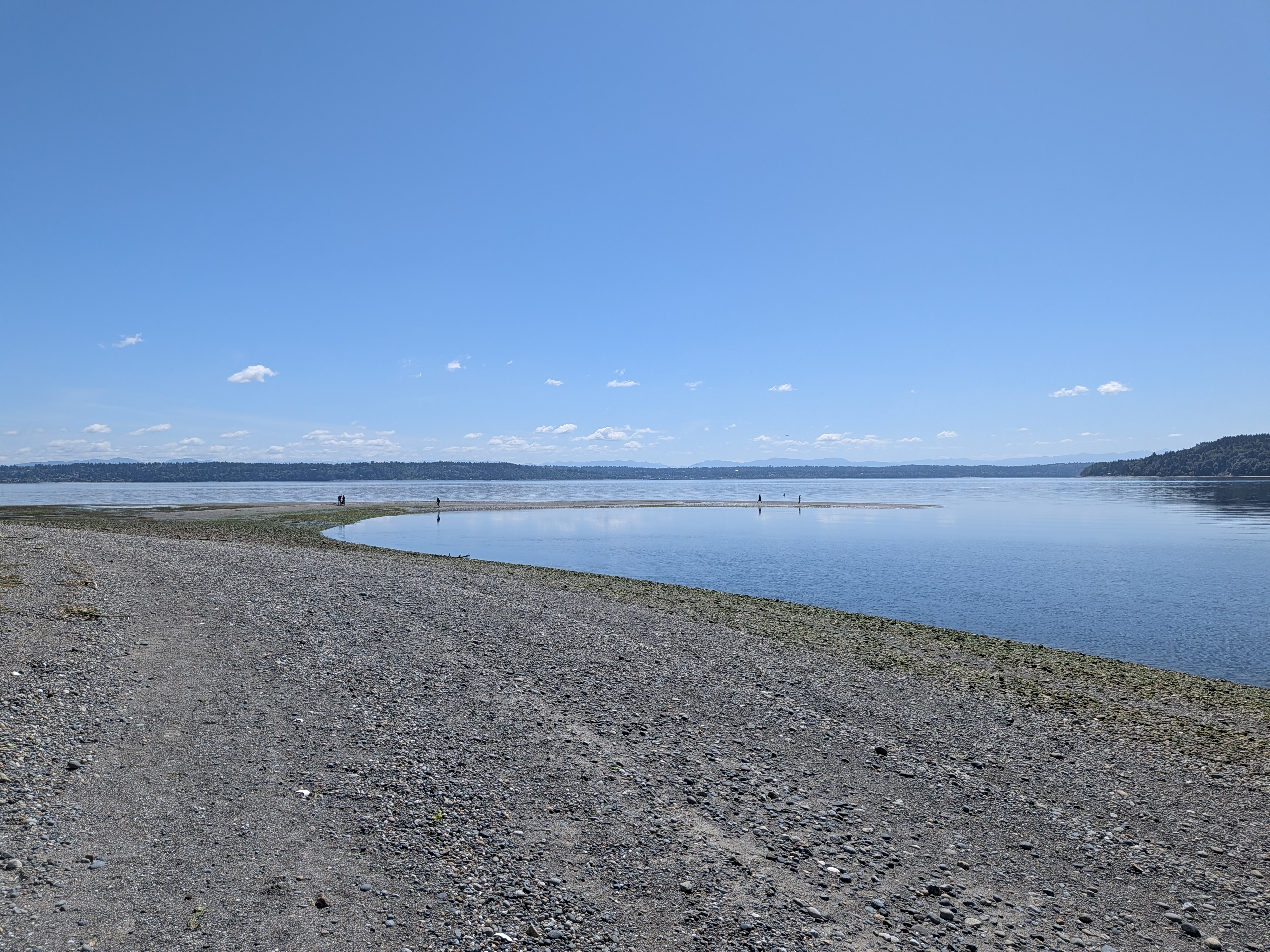
Important pockets of habitat around Washington state: It’s bittersweet to realize that intact or near intact ecosystems are shrinking all across the state, let alone the world. I’d like to take time to write in particular little pockets of special territory, particularly ones that people don’t always acknowledge. Though of course I’d also like to use this as an excuse to visit places of special conservation effort.
So here I am, restarting this project that brought me so much joy in the past. I can’t promise I’ll do it all the time, post regularly, or even make it to every one of these topics. But this is what’s on my mind. I hope you’ll see even a quarter of it. Thanks again for being here.


So glad to see a new post from you, and I’m looking forward to reading what else you have to share! It’s fun how even though we no longer live together, our interests continue to be pretty parallel.
This is nice. And positive.
A few things that sparked happiness in me:
Bees
Native plants; we’re looking at moving house, and I’m having THOUGHTS about what we might do with a new garden.
Things in pockets: I went running near my MiL’s house and found a Jay feather. Probably different to the Jays you get in the US, but this was an iridescent electric blue with black bars. I tucked it into my running vest, not wanting to crush it too much. By the time I got to the top of the hill it had fallen out again. Ah well.